

Start with the specific wig option, not a broad promise
Product pages often combine a style name, several images and general description text. Before comparing anything, make sure every note points to the exact option you are considering. A useful record lets you tell which details belong to that option and which are simply general guidance on the same website.
Create one record for each option you may order
Begin with the page title, product name or code, page address and the date you looked. Add the selected colour or variation if the page makes that choice clear. Save the wording as it appears, rather than replacing it with a memory-based label. This takes little time, yet it prevents a note about one colour, length or construction from being carried over to another option with a similar name.
Use the English website sitemap only as a practical route if you need to find a related care or selection guide. It can help you locate information, but it is not a product list or evidence of current supply. Keep the guide link beside your notes as background. Keep the actual product page and its stated details as the record you compare.
- Save the option name or code, page address and viewing date together.
- Record the selected colour or variation only when the page identifies it.
- Mark a description as general guidance when it does not name the option.
- Write “not stated” instead of borrowing a detail from a similar style.
Compare the same fields in every product record
A consistent set of fields makes differences visible without turning browsing into a technical exercise. The aim is not to rate every wig. It is to place the information that affects your choice in the same order, so one missing point is as easy to see as one stated difference.
Use a simple product-detail card
Copy the listed detail in its original unit. If a page states a length in inches, a circumference in centimetres or a weight in grams, retain that unit and source. Do not convert a measurement from an image or estimate it from a model. Also keep a stated fibre description exactly as written. If the fibre, size range or a particular variation is not named, leave that cell blank and prepare a question.
Keep cap wording, colour code and care instructions in separate fields. This matters because a colour name is not a cap description, and a care sentence may apply only to a named material or construction. The Hong Kong Consumer Council notes that online purchase decisions mainly rely on traders’ photos and descriptions, and recommends retaining product information and transaction records. Hong Kong Consumer Council: Shop Smartly on the Web
| Field | What to record exactly | Question if it is missing or unclear |
|---|---|---|
| Option identity | Product name or code, page address, date and selected variation | Which option does this description apply to? |
| Hair description | Stated fibre or hair wording, length and any original units | Is this detail stated for this option or only for the range? |
| Cap base | Exact cap term and any named location, such as front or crown | Which part of this cap does the term describe? |
| Colour | Colour name, code and the page image used as reference | Is this code the selected variation shown on the page? |
| Care | Stated washing, styling or storage direction and its conditions | Does this instruction apply to this material and construction? |
Use photos to compare appearance, not hidden specifications
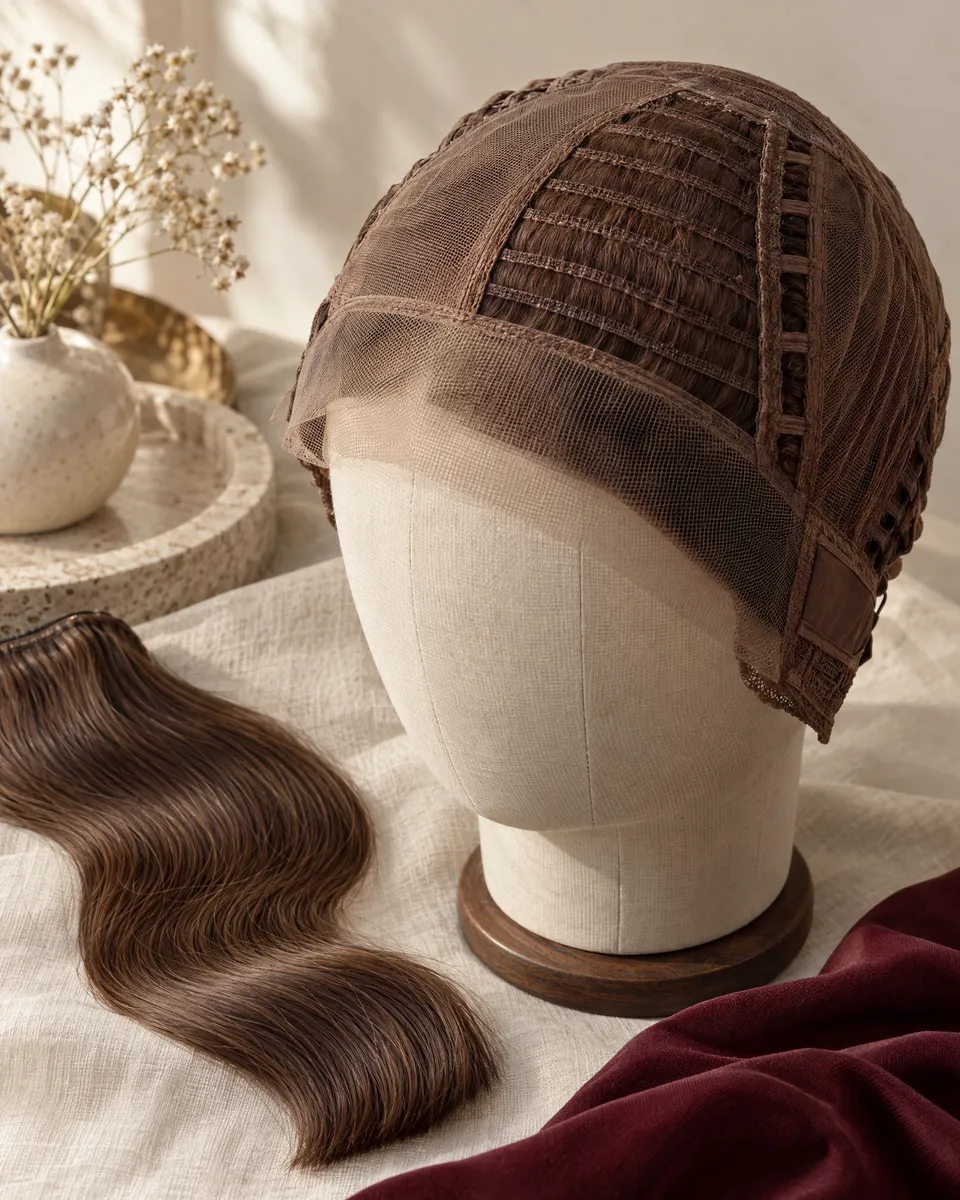
Photos are valuable for deciding which direction you want to explore. They can show outline, apparent length, fringe placement, parting position and the way a tone appears in that image. They cannot confirm hidden construction, an exact measurement, hair material or whether the pictured variation can be supplied when you order.
Describe the visible feature and name it as an image impression
Write a visual note in plain language: “soft jaw-length outline”, “side fringe appears swept” or “darker root visible in this image.” Compare that same visible feature across saved options. The synthetic wigs Hong Kong guide can help you identify a product category worth researching, but its general information should not fill a blank specification on another product page. Keep a photo observation and a stated product detail in separate lines.
A face-framing preference is also a useful comparison point. The wigs for face shape guide can give you words for a fringe, crown height or softness around the jaw. Use that language to express what you like. It is not a rule that assigns one style to every face. Styling, personal routine and preferred volume remain individual choices that a page image cannot settle.
- Label outline, fringe direction, apparent parting and tone as “visible in image.”
- Label cap type, size, fibre and supply as “to confirm” unless the option page states them.
- Save one image reference only when it supports a comparison question.
- Compare the same view or feature across options before judging a difference.
Record cap, colour and size terms exactly as they appear
Small wording changes can matter. A cap term may refer to one area of the base, while a colour code identifies a variation rather than a universal shade. Recording exact names preserves the question you need to ask. It also stops a familiar label from becoming a claim about the whole wig.
Ask what part of the product each label describes
Cap construction describes the internal base that sits on the head. Common industry labels include basic or wefted, monofilament, lace front and hand-tied, and one wig can combine construction elements. Chiquel’s wig-cap construction overview is useful for recognising these terms. Use it as vocabulary only. It does not identify the construction, feel or suitability of an option that has not been described on its own page.
Write the cap term exactly, then note any location given beside it. For example, ask whether a term applies at the front, crown or across the base, rather than assuming its scope. Copy a stated size range or measurement with its original unit. Copy the shade name and colour code as shown. Do not infer size from a model photograph, material from the sheen, or a colour code from a screen image.

Compare care directions with your real routine
Care is part of product comparison because it affects how you expect to use and maintain an option. Read the direction beside the material or construction it names. A general care article can clarify the kind of question to ask, but it should not replace the instructions for the exact wig you are considering.
Turn daily habits into specific care questions
Make a short list of your ordinary routine: how often you expect to wear the wig, whether you need to restyle it, and how you plan to store it. Compare those needs with the stated care notes. If you are wondering about overnight wear, can you sleep in a wig is a useful starting point for the topic. It cannot confirm the care or comfort of a product that has not been discussed specifically.
Keep material language separate from care language. The synthetic wigs for cancer patients guide can help you prepare material-related questions in a treatment-planning context. It does not establish the material of a particular product, nor does it make a care instruction transferable between options. Ask whether the stated washing, styling or storage advice is for the exact material and cap construction on your card.
- Match each care note to the material and option it names.
- List the routine that matters before asking whether it is appropriate.
- Ask for clarification when care directions are broad or do not name the option.
- Do not assume a routine described for one wig applies to another construction.
Keep treatment-related appearance planning practical and non-medical
Some shoppers compare wigs while preparing for chemotherapy or a possible change in hair. The useful product task remains the same: record appearance preferences, cap wording, colour and care details, then ask what applies to a specific option. It should not become a prediction of treatment effects or a substitute for clinical advice.
Separate a personal timing question from a medical conclusion
The wig before chemotherapy guide can help you organise practical planning questions, such as which appearance details you wish to compare before a change in hair. The wig for sensitive scalp during chemotherapy guide can likewise help frame questions about fit, contact points and care. Neither page can predict an individual experience, diagnose a scalp concern or replace advice from a treating team.
It is also reasonable to save an alternative category in a separate record. The headscarves for chemotherapy page can support a comparison of non-wig appearance options. Do not treat a headscarf and a wig as the same product, or assume either will produce a particular comfort outcome. Keep each category’s stated information and questions separate, then choose which direction you want to explore further.

Finish with a shortlist and an option-specific enquiry
After the comparison, you do not need a perfect spreadsheet. Keep two or three records that reflect genuinely different directions. The remaining task is to make uncertainty visible in a short message. A clear enquiry is easier to answer because it names the option, the saved detail and the point that still needs confirmation.
Ask about the difference that would change your choice
Review the cards once more. Circle the two or three fields that actually affect your decision, such as an image-based fringe preference, a stated cap label, a colour code or a care routine. Then compare only those fields. Remove any conclusion that rests on an unlabeled photo. This keeps your shortlist calm and avoids asking someone to correct a long set of assumptions before they can address the important point.
An option-specific message can be simple: “I am comparing Option A and Option B. I noted this colour code and this cap wording on each page. Could you confirm which details apply to the selected variation, and whether the care instructions are specific to that option?” Add your visible style preference if it helps. Keep the answer you receive dated and separate from the original page record.
| What you have saved | What it tells you | Useful next question |
|---|---|---|
| A photo with a soft side fringe | You prefer that visible face framing | Which saved option is this image intended to show? |
| A cap term without a stated area | The label needs a location or scope | What part of this option’s base does the term describe? |
| A colour name and code | You can identify the variation you viewed | Does this code match the selected option on this page? |
| A broad care paragraph | Care may depend on material or construction | Does this instruction apply to this exact option? |
Ask OWNSTRAND on WhatsApp
Tell us the style you have in mind. We can discuss the options, quotation and arrangements before you decide.
Ask OWNSTRAND on WhatsAppBefore you choose
What should I write down before ordering a wig online?
Save the exact product name or code, page address, viewing date, selected variation, stated hair and cap wording, colour code, measurements in their original units and care notes. Add one question for each important detail the page does not clearly state.
Can a wig photo confirm the cap type, size or hair material?
No. A photo can help you compare visible features such as outline, fringe direction, apparent parting and colour impression. It cannot confirm hidden cap construction, exact size, fibre or hair material, or the supply of a pictured variation unless the option page states those details.
How should I compare wig colour codes?
Copy the shade name and code exactly as shown beside the selected variation. Treat the page image as a screen-based appearance reference, not proof of how the shade will look in every light. Ask whether the code belongs to the exact option you saved when that link is unclear.
What is the best question to send after making a wig shortlist?
Name the two or three options, then ask about the detail that would change your choice. For example, ask which cap wording applies to the selected variation or whether stated care instructions apply to that exact material and construction. Keep the question factual and option-specific.
Further reading
- Hong Kong Consumer Council: Beware of Traps – Shop Smartly on the WebSupports that online purchase decisions rely mainly on traders’ photos and descriptions, and that consumers should retain product information and transaction records.
- Chiquel: Wig Cap Construction: What are the Different Types?Supports cap-construction vocabulary, including basic or wefted, monofilament, lace front and hand-tied, and the point that a wig may combine construction elements. It is used only as terminology background.