

How highlighted wigs create blended colour
A highlighted colour combines a base shade with lighter strands or sections. The effect can be subtle or high-contrast, depending on how light those strands are, how many are visible and where they sit. Instead of treating “highlighted” as one fixed finish, look at the relationship between the lighter tone and the base.
Highlighted wigs: blonde and brown shade blends
For a brighter look, highlighted blonde wigs can bring several blonde tones together rather than presenting one uniform colour. Check whether the lighter pieces sit close to the base shade or create a clear contrast. If you prefer a deeper overall impression, highlighted brown wigs can mix a brown base with lighter brown or blonde accents. A fine, close-toned blend tends to read more softly from a distance; brighter pieces create more visible dimension as the hair moves. These are visual comparisons, not promises about a particular product: the exact colour and placement are style-specific.
Think about the impression you want beside your face and with the clothes you wear most. A cool-looking brown and a warm-looking brown may both be called brown, yet their undertones can feel quite different. If you are comparing blonde options, use the blonde wigs guide to explore base shades, and compare with brown wigs if you want a deeper starting point. Where a particular colour code or product image is available, read it alongside the shade name rather than assuming that a broad label settles the question.
People searching for wigs with highlights or blended colour wigs often want a natural transition, but “natural” can mean different things: a discreet few lighter strands, a softened overall blend, or a stronger contrast that is intentionally noticeable. For dimensional hair colour wigs, look at the base-to-highlight difference and whether the lighter shade appears near the part, around the face or through the lengths. A multi-tone description alone does not tell you how densely or evenly the colours are placed.

What to look for in balayage wigs
Balayage is a blended highlighting effect, often described through the way lighter colour is graduated through darker lengths. It is useful to think about where the eye first notices the lighter tone and how gradually it meets the base, rather than expecting one universal pattern from the word alone.
Balayage wigs: gradual colour placement
When comparing a balayage wig with an all-over highlighted style, look for a change in colour placement as well as shade. A balayage description suggests a blended, graduated appearance; conventional highlights may instead be described as lighter strands distributed through a base. Real product results can overlap in appearance, and brands do not always use colour terminology in exactly the same way. The product’s own shade details and images are therefore more useful than a label in isolation. Customers looking specifically for wigs with balayage highlights can use the same checks: identify the base, then ask where and how the lighter colour is blended on that style.
Ask yourself three practical questions while looking: where does the lighter area begin, how distinct is the transition, and do the ends appear lighter than the root area? These are viewing cues, not a claim that every balayage style follows a fixed formula. A softly graduated brown-to-blonde look can feel understated, while a stronger difference in tone draws more attention to the lengths. If you want the root to remain visibly deeper, compare the shade description with rooted wigs; rooted colour and balayage can appear together, but they describe different aspects of a wig’s colour.
Balayage is also not simply another word for ombre. Both can involve a transition between darker and lighter colour, but the intended placement and finish may differ by style. For a more clearly gradient-led comparison, explore ombre wigs. That comparison can help you decide whether you prefer a blended, strand-like variation or a more obvious shift through the lengths. Neither term by itself guarantees a specific result, so use the exact product information when narrowing your choice.
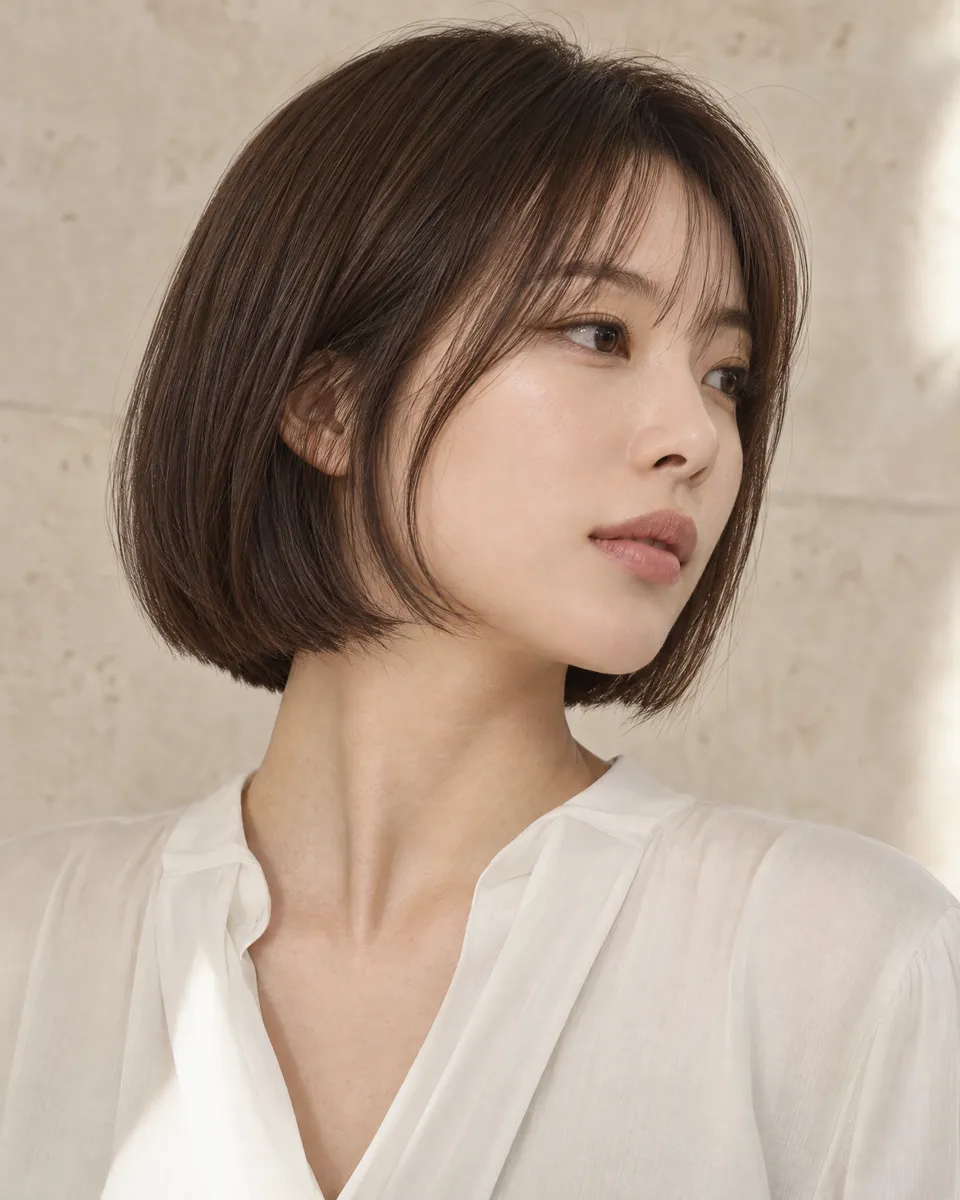
Check colour details on each wig
Colour names are helpful starting points, not precise colour charts. Different brands may use different names or codes, and a photograph can show colour differently from the wig viewed in person. Compare the details attached to the individual style and note which parts of the colour matter most to you.
Why colour names and results can vary by wig
First, identify the base shade you want to keep. Then note whether you are drawn to lighter pieces, a darker root, or a gradual change towards the ends. These preferences make it easier to compare specific styles without being led by a colour label alone. A black base with delicate lighter strands will give a different impression from a medium brown base with brighter blonde lengths. If you are deciding between a solid base and added variation, black wigs offer a separate starting point for darker shades.
Next, consider undertone. The words ash, cool, warm, golden or neutral can be useful when a product uses them, but naming conventions differ. If a style lists a colour code, keep that code with the style name when asking a question; do not assume the same code means the same shade across brands. American Cancer Society’s general wig-selection guidance recommends using natural hair as a colour reference and checking a shade in natural light. That can be a helpful comparison method, not a guarantee that a screen image or a broad colour family will match your own hair exactly.
Finally, consider whether you want a colour that blends with your usual look or a deliberate change. Auburn, copper and burgundy tones can be useful alternatives to blonde or brown highlights; see red wigs for those colour families. Silver strands can also add variation without a blonde effect, and the grey wigs guide can help if you are considering grey or salt-and-pepper shades. Comparing these neighbouring colour directions helps clarify your preference, but it does not replace checking the chosen wig’s exact colour details.
If you have a style in mind, send OWNSTRAND its name or a screenshot with any displayed shade name or code. We can discuss the colour description and provide a quotation or check supply for that option. Our private Kwun Tong salon is at Unit 2103, 50 Hoi Yuen Road, Kwun Tong, Hong Kong (利寶時中心). An enquiry helps you clarify the choice; it does not itself reserve stock or complete an order.



| What to compare | Highlighted effect | Balayage effect | Question to ask about the individual wig |
|---|---|---|---|
| Colour placement | Lighter strands or sections may be distributed through the base shade. | The description points to a blended or graduated placement; the exact starting point varies. | Where is the lighter colour most visible: near the part, around the face or through the lengths? |
| Contrast | May be subtle or pronounced, depending on the difference between base and lighter tones. | May look softly blended or more distinct; the name does not set a fixed contrast level. | Is the lighter shade close to the base, or visibly brighter? |
| Overall direction | Useful when you want to compare lighter pieces against a chosen blonde, brown or other base. | Useful when you are drawn to a gradual, blended change through the colour. | What base shade and colour description are listed for this style? |
| Evidence to check | Use the specific style details and any available images, not the word “highlighted” alone. | Compare product-specific details; do not treat “balayage” as another name for ombre. | Can OWNSTRAND clarify this style’s colour, quotation or supply? |
Ask about a wig colour on WhatsApp
Tell us the style you have in mind. We can discuss the options, quotation and arrangements before you decide.
Ask about a wig colour on WhatsAppBefore you choose
What does highlighted mean on a wig?
It usually describes a base colour combined with lighter strands or sections for added variation. Some wigs with highlights show close, delicate tones; others have a more noticeable contrast. Placement and shade depend on the individual style and brand, so check the named colour and product-specific details rather than relying on the label alone.
Are balayage wigs the same as ombre wigs?
No. Balayage and ombre are related colour ideas, but they do not necessarily describe the same placement or finish. Balayage generally refers to blended highlighting, while ombre is commonly used for a gradient effect. Brand wording and individual results vary, so compare the chosen wig’s own shade information and images.
How can I compare highlighted blonde and brown wigs?
Start with the base shade, then compare the lighter tone, its contrast and where it appears through the hair. A blonde highlight on a deep brown base will read differently from a close-toned lighter brown blend. Colour names and codes vary by brand; use the exact style details and ask about a particular shade if they do not answer your question.
Can OWNSTRAND check a particular highlighted or balayage shade?
Yes, you can message OWNSTRAND on WhatsApp at +852 5933 4697 with the style name and any colour code or screenshot to ask about its shade details, quotation or supply. The message is an enquiry, not an automatic order or stock reservation.
Further reading
- American Cancer Society — Wigs for Hair LossIts general wig-selection guidance supports using natural hair as a colour reference and checking colour in natural light; cited here only as a comparison tip, not as an endorsement or product-specific colour guarantee.
Still weighing up your options?
Follow a related guide to make your next decision with clearer information.

Explore brown wigs and compare brunette shades, including darker tones. Check each style's colour details, then contact OWNSTRAND to ask about options.
Browse black wigs and compare shade details for a natural-looking match. Check colour under different lighting, then ask OWNSTRAND about listed options.
Explore red wigs, from auburn and copper to burgundy and strawberry blonde. Compare colour names and browse listed styles; ask OWNSTRAND about options.

Explore grey wigs and salt and pepper wigs in grey, silver and white shades. Compare shade descriptions, then ask OWNSTRAND about product details and availability.