


Glueless Wig Basics: What “Glueless” Means
“Glueless” describes a wearing approach, not a universal cap specification. One style may rely on its shape and fit; another may include particular adjustment or holding features. The name does not establish which features are present, how firmly a wig will stay in place, or whether you can wear it comfortably all day. Read the details for the style you are considering, and follow its own instructions.
Choosing a Glueless Wig: Check the Cap and Fit
Start by asking what actually keeps the wig positioned. Check whether the specific cap has adjustable straps, combs, an elastic feature or another stated fitting component; do not assume that any one of these is included just because a style is described as a glue-free wig. Find out where adjustments sit and whether they are intended to change the fit, rather than treating them as a guarantee against movement. If you can try the wig, check that the front, sides and nape sit as intended when you move your head gently. It should feel stable without needing to pull uncomfortably tight.
Fit is personal: size labels do not replace checking measurements and the maker’s guidance. The American Cancer Society notes that wig sizes can vary by brand, so use sizing information for the exact item and ask how it should be measured. If your head size or hair underneath may change, mention that when enquiring. Compare a hand tied wig or breathable wig cap by the stated construction, not an assumed comfort benefit.
Think about coverage as well as circumference. Full-coverage caps, front-focused hairline designs and lighter-feeling constructions address different preferences. A full lace wig is a useful construction comparison, but the name alone does not show whether a particular wig is intended for adhesive-free wear. Ask about its coverage, adjustments and wearing method; treat hairline appearance and hold as separate questions.
How to Wear a Wig Without Glue: Follow Its Design
Use 3 checks: prepare your own hair as the maker recommends; position the wig as its instructions direct; then use only the adjustment features supplied with that style. Set the front, sides and nape without stretching delicate material. Practise putting it on and removing it before relying on it for a full day. This is general fitting guidance, not a substitute for product-specific instructions.
Do not add glue or tape just because a wig seems to move, or assume adhesive is appropriate for every cap. First check whether it has been adjusted as intended and whether the design suits your preferred method. If it feels insecure or uncomfortable, take it off and review the fit or ask about its construction. “Wear and go” suggests convenience but does not guarantee no adjustment or suitability for every activity.

Cap Features, Fit and Adhesive-Free Wear
A cap feature can affect appearance, coverage and the way you handle a wig, but no single feature answers every question about adhesive-free wear. Compare the edge construction, adjustment options, coverage and care instructions separately. For instance, a lace front wig focuses attention on the front hairline; that label does not by itself confirm the rest of the cap or its fastening method.
Glueless Lace Front Wig or Wear and Go Wig? Compare the Details
A glueless lace front wig combines two different ideas in its description: “lace front” points to a type of front edge, while “glueless” refers to an intended adhesive-free wearing method. “Wear and go” is another label, not proof that all such wigs share one construction. Ask whether the style’s instructions explicitly permit wear without adhesive, what features help it sit in place and whether any adjustment is expected. A lace-front-versus-full-lace comparison can help clarify coverage; see lace front vs full lace wig, then verify the item-specific details rather than assuming those terms determine its hold.
Separate the hairline question from the top-of-head question. A silk top wig offers a separate construction comparison for the parting area; a PU wig cap is another material or base detail to check. Neither category automatically means a wig is more secure, comfortable or suitable for adhesive-free wear: that depends on its actual construction and your fit.
Use the table to focus your questions; it does not claim any feature is included in a particular item. In Hong Kong’s warm, humid conditions, ask about care and the materials stated for the style. Avoid broad promises such as “all-day secure” or “no adjustment needed” unless the exact product details support them, and remember that personal fit can differ.

Questions to Ask Before Choosing a Style
A short, specific enquiry can make comparison easier than asking only whether a style is “glueless”. Have the style name or link ready, then work through the points below. This is particularly useful when viewing a listing remotely: the answers should describe the individual wig, not just a general category.



| What you want to assess | What the term may describe | What to check for the exact wig |
|---|---|---|
| Adhesive-free wearing | A glueless or glue-free wearing approach | Does its own instruction say it can be worn without adhesive, and what holds it in place? |
| Front hairline | A lace front design focuses on the front edge | How is the edge finished, and does the description explain the remaining cap? |
| Convenience | A “wear and go” label suggests a simple routine | Are adjustments needed, and what are the steps for putting it on and taking it off? |
| Coverage and parting | Full-lace, silk-top or other terms refer to different construction aspects | What area does the feature cover, and is adhesive-free wear separately confirmed? |
| Fit and stability | Cap shape and any adjustment features may differ by style | Which size and fitting features are specified, and how should fit be checked? |
| Care and daily use | Care needs depend on the materials and manufacturer guidance | Which care instructions apply, and are your intended activities addressed? |
Browse wigs online in Hong Kong
Tell us the style you have in mind. We can discuss the options, quotation and arrangements before you decide.
buy a wig online in Hong KongBefore you choose
Can I wear a glueless wig without adhesive?
Some wig designs are intended to be worn without adhesive. Whether a particular style suits you depends on its construction and fit, so check the product details or ask about the specific style before deciding. Confirm the recommended wearing method rather than inferring it from a lace-front or wear-and-go label.
Does “glueless” mean a wig cannot slip or needs no adjustment?
No. “Glueless” is not a guarantee that a wig will stay in place in every situation or need no adjustment. Fit and hold vary by design and wearer; follow the style’s instructions and check the fit. Ask which adjustment features the exact cap has and how they should be used.
How do I wear a wig without glue?
Start with the instructions for that wig, position it as directed, and make any adjustments provided by its design. Do not assume that every cap has the same fit features; ask about the construction of a specific style if needed. Practise fitting it gently and stop if it feels uncomfortably tight.
Is every lace front wig a wear and go wig?
No. These phrases do not establish identical cap construction or fit. Check the details for each style and confirm its intended wearing method rather than relying on the label alone. A lace front describes the front design; “wear and go” does not confirm what adjustments or fastening features are included.
Further reading
- American Cancer Society — Wigs for Hair LossSupports the specific general fit point that wig sizes can vary by brand; used here to advise checking the exact style’s sizing information, not as an endorsement or a claim about OWNSTRAND products.
Still weighing up your options?
Follow a related guide to make your next decision with clearer information.
Explore full lace wig cap construction, coverage and fitting considerations. Compare it with lace front options, then contact OWNSTRAND Wigs to ask about styles.
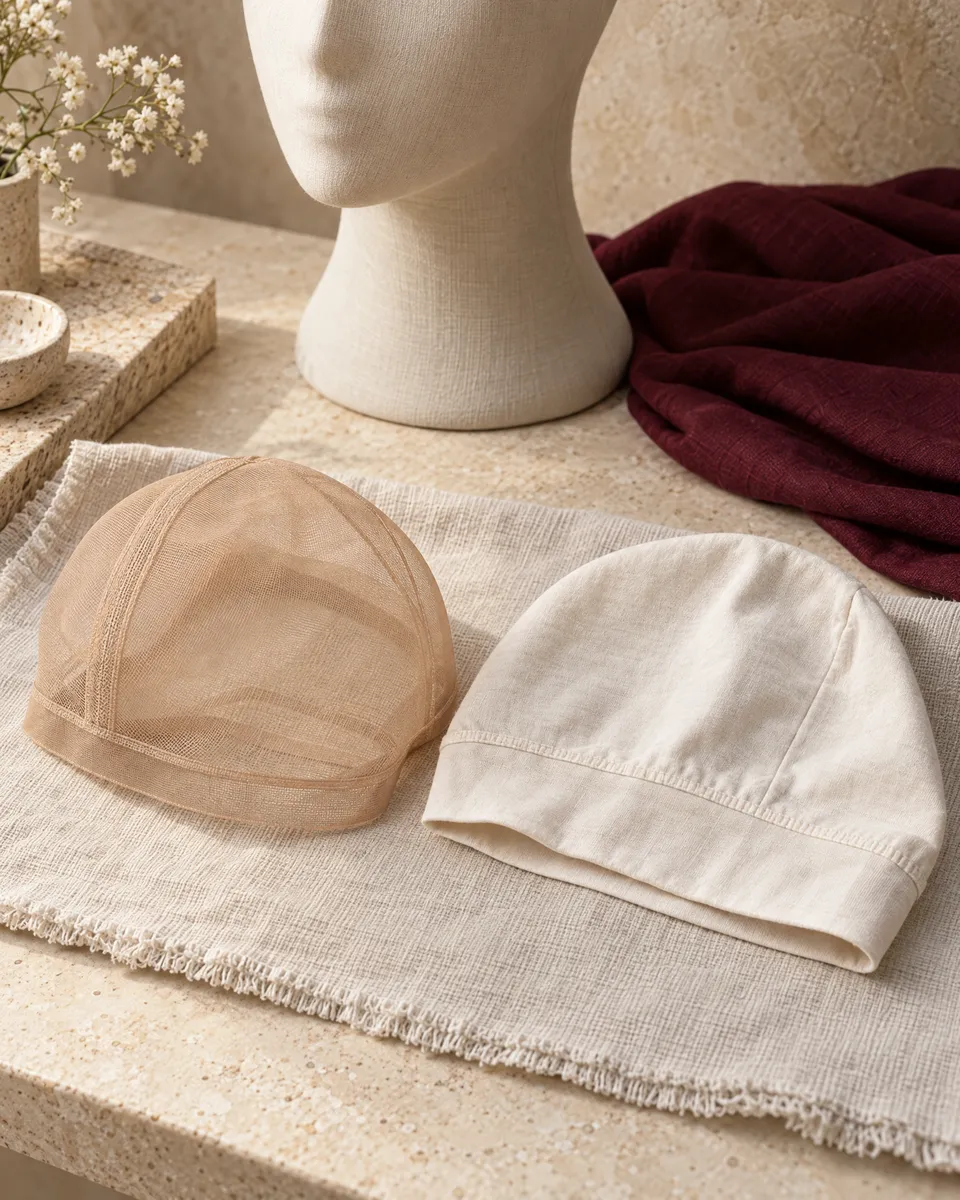
Explore what a hand tied wig means, how hand-tied construction differs from wefted caps, and what to check by style. Ask OWNSTRAND about options.
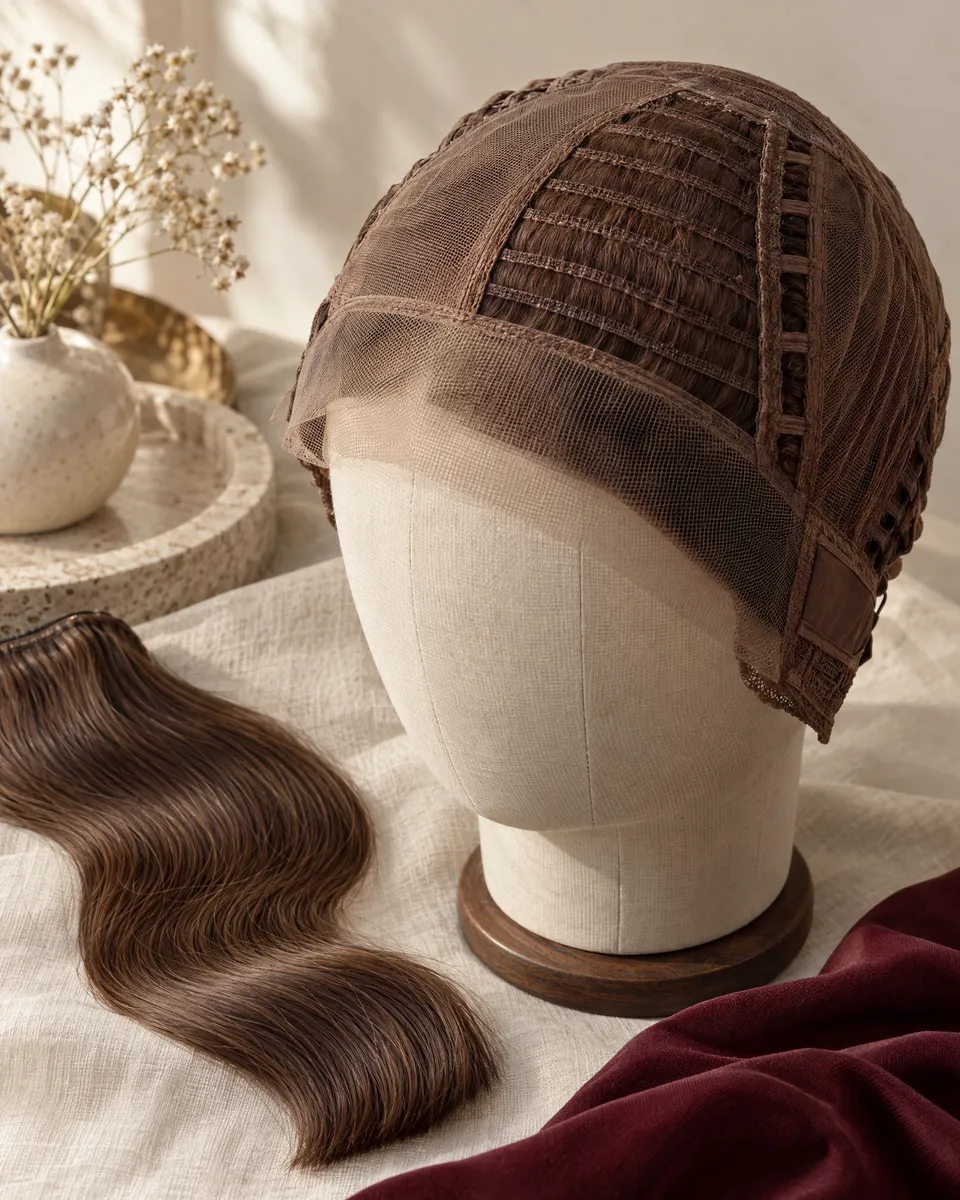
Explore how a breathable wig cap may allow airflow, compare cap coverage and materials, and ask OWNSTRAND Wigs about styles suited to your needs.

A silk top wig can be described by its top construction, but details vary by model. Compare terms with lace or monofilament tops, then ask OWNSTRAND about a style.