


How a full lace wig is constructed
The practical distinction is where lace forms the cap base. A full lace design uses lace across the cap, while other designs may use lace only in a particular area and a different construction elsewhere. The label is useful, but it cannot answer every question about the actual piece: ask what is lace, what is not, and how hair is attached through each area.
What the full lace wig cap covers
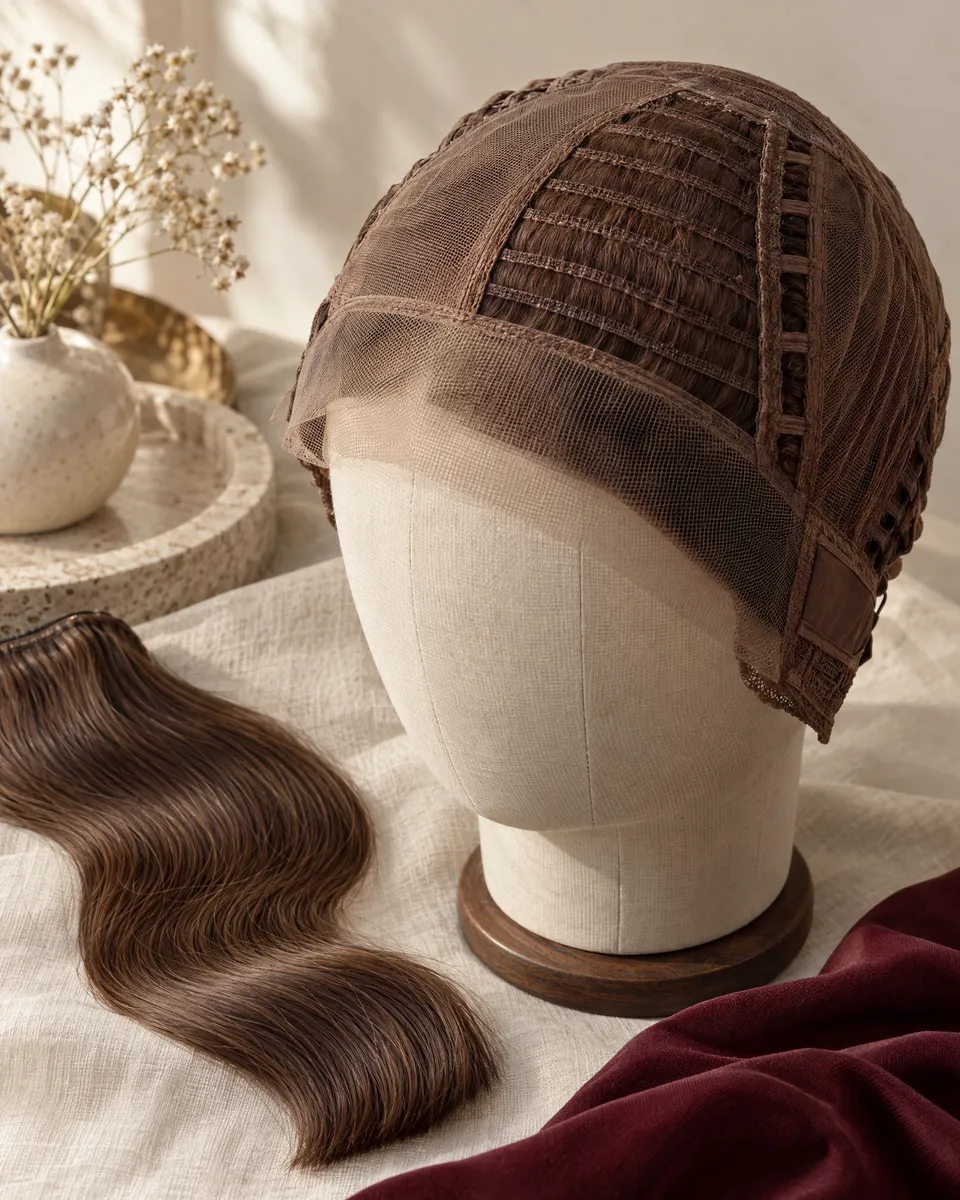
With a full lace cap, lace extends across the cap rather than being limited to the front hairline. This gives you a different base layout from a lace-front construction, where lace is focused at the front and the remainder of the cap uses another design. The difference matters when you are looking at how the cap is built, but it does not by itself specify lace type, density, edge finish, size, hair fibre or attachment method. Those details can differ between styles, so request the exact specifications for the item under consideration.
A useful way to read a description is to separate coverage from hair direction and styling. Coverage tells you where lace is used; it does not automatically tell you which parting positions are supported or how the hair is ventilated. If you want to part the hair in more than one place, ask which areas have that construction and whether the manufacturer gives particular styling guidance. A hand tied wig is another construction term worth understanding, but do not assume that every hand-tied cap is full lace or that these labels are interchangeable.
Likewise, a full lace base should not be treated as synonymous with a silk top wig or monofilament wigs. These describe different design approaches and may present a different appearance at the part or scalp area. Compare the specific cap diagram or written construction information rather than inferring details from a category name. Where a listing does not clearly say whether the lace covers the whole cap or only the front, get that point clarified before comparing price or styling claims.
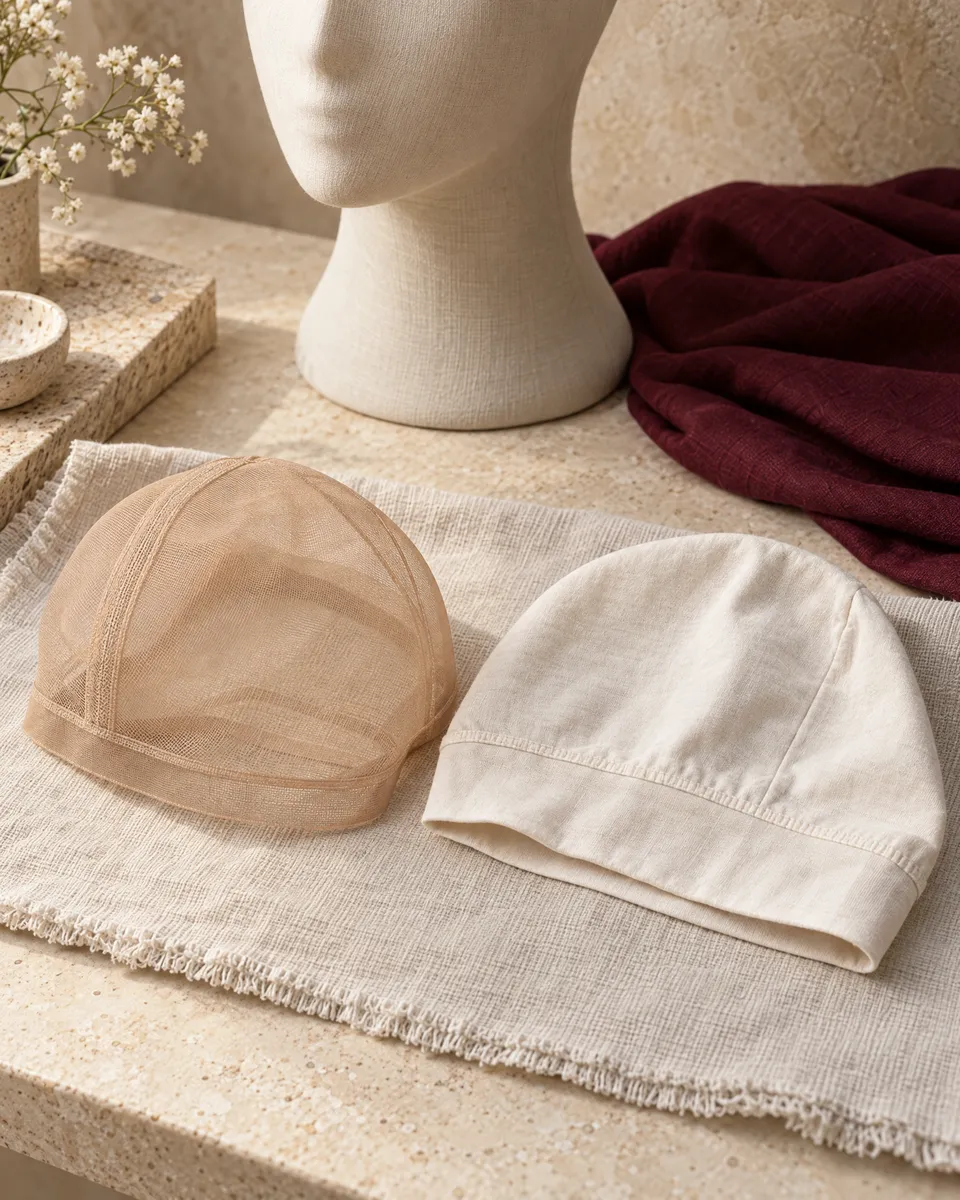
Coverage, fit and attachment considerations
Lace coverage is only one part of choosing a wearable cap. The wig also needs to correspond to your head measurements and intended way of wearing it. A full lace label does not settle whether a particular size is right, whether extra securing is needed, or whether its materials suit your own preferences. Consider these factors together, and check instructions for the exact style.
Questions to ask about fit and attachment
Start with fit rather than assuming that a flexible-looking lace base will accommodate any head shape. Ask how the size is specified, which measurements are needed and whether the cap includes any adjustment features. Wig sizing can vary across makers and styles; the American Cancer Society’s general wig-selection guidance advises considering fit and personal preferences when choosing a wig, not treating a construction label as a fit guarantee (American Cancer Society). That guidance is general selection information, not an endorsement of a particular cap or a substitute for the maker’s specifications.
Then ask how the wig is meant to be secured. Full lace describes lace coverage, not whether the specific design is glueless. Attachment may depend on the cap’s construction and the maker’s instructions. If you prefer not to use adhesive, state that preference plainly and ask what the style requires; do not infer a no-adhesive option from the words “full lace”. If a product description is unclear, get the attachment method and any care or preparation requirements explained before purchase.
For comfort, distinguish questions about construction from medical or skin advice. A breathable wig cap or an open wefted wig cap may be useful comparisons when you are examining how much of the base is covered, but a name alone cannot predict how a cap will feel for you. If you have a sensitive scalp or a health-related concern, do not rely on a general product label to determine suitability; seek appropriate professional advice and check the materials and instructions for the exact item. A PU wig cap is another distinct construction to compare only when its details are relevant to your priorities.

Compare full lace and lace front options
A clear comparison starts with the area you want to look natural and the positions from which you expect to part or arrange the hair. A full lace cap has lace across the cap; a lace front puts lace at the front and uses a different construction behind it. The broader lace front vs full lace wig comparison can help you consider those structural differences without assuming either design is universally better.
When to compare a lace front wig
Compare a lace front when your main priority is the appearance of the front hairline and you do not need lace across the rest of the cap. A lace front wig may therefore be the more focused option to investigate. Ask what cap construction is used behind the lace, where the hair can be parted and how the edge should be secured. The answers matter more than assuming that a smaller lace area will always feel cooler, fit better or require less maintenance; those outcomes depend on the particular product and how it is worn.
A full lace option may be worth comparing when the wider lace coverage itself is important to your styling or construction preferences. Ask the seller to describe the cap’s coverage and show how it relates to the areas you expect to use. In both cases, separate what is confirmed in writing from what is inferred from a photo or broad category name. You can ask about a specific style without treating a catalogue reference, image or colour display as confirmation that the item is currently available.
Before settling on either design, use a short checklist: identify the lace coverage; confirm the size and adjustment details; and ask for the attachment and styling instructions for the exact style. If you are comparing options in person, bring the questions you care about most, such as the desired hairline appearance or preferred parting. OWNSTRAND Wigs offers a private Kwun Tong salon space for enquiries and may discuss sample viewing and head measurement in the context of its handmade custom human-hair service; specific styles, supply and arrangements should be confirmed rather than assumed.


| What to compare | Full lace cap | Lace front cap | What to confirm for the exact style |
|---|---|---|---|
| Lace coverage | Lace extends across the cap. | Lace is focused at the front; another construction is used behind it. | Which areas are lace, and what construction is used elsewhere? |
| Parting and styling | Coverage alone does not guarantee every parting or hairstyle. | The front lace does not describe styling possibilities across the whole cap. | Which parting positions and styling methods are supported? |
| Fit | The label does not determine size or fit. | The label does not determine size or fit. | What measurements, size options and adjustment details apply? |
| Attachment | Full lace does not mean glueless. | Lace-front construction does not establish attachment requirements. | How is this wig secured, and what instructions apply? |
| Best comparison point | Consider it when broader lace coverage is a priority. | Consider it when the front hairline is the principal lace area of interest. | Which construction fits your priorities, after checking product-specific details? |
Ask about wig styles on WhatsApp
Tell us the style you have in mind. We can discuss the options, quotation and arrangements before you decide.
Ask about wig styles on WhatsAppBefore you choose
How is a full lace wig different from a lace front wig?
A full lace wig has lace across the cap. A lace front wig has lace at the front and a different construction behind it. Check the exact style because coverage, cap details and styling guidance can vary.
Does a full lace wig mean it is glueless?
No. “Full lace” describes lace coverage, not the attachment method. Ask how the specific wig is designed to be secured and follow the maker’s instructions before deciding whether it meets your preference.
Can every full lace wig be styled in any direction?
Not necessarily. Lace across the cap does not establish every parting position or styling option. Confirm the exact cap details and the maker’s styling guidance for the style you are considering.
What should I compare before choosing a full lace cap wig?
Compare lace coverage, the construction behind any non-lace areas, sizing and adjustment details, attachment instructions and supported parting or styling. Ask about the specific style and confirm supply separately; a general category description does not establish current availability. For product selection, WhatsApp +852 5933 4697.
Further reading
- American Cancer Society — Wigs for Hair LossGeneral wig-selection guidance supports considering fit and personal preferences when choosing a wig. It is cited only for that general selection fact, not as an endorsement, product-specific cap guidance or medical suitability claim.
Still weighing up your options?
Follow a related guide to make your next decision with clearer information.
Explore what a hand tied wig means, how hand-tied construction differs from wefted caps, and what to check by style. Ask OWNSTRAND about options.
Explore how a breathable wig cap may allow airflow, compare cap coverage and materials, and ask OWNSTRAND Wigs about styles suited to your needs.

A silk top wig can be described by its top construction, but details vary by model. Compare terms with lace or monofilament tops, then ask OWNSTRAND about a style.

Explore monofilament wigs and learn how mono sections affect parting and crown coverage. Compare construction details and ask OWNSTRAND about a style.