


Choosing wavy wigs by wave pattern
Wave names are useful when comparing the shape and rhythm of the hair, but they are not a universal measurement system. Two styles described with the same term may still look different because of length, layering, density, colour and the way the wave is arranged. Compare the pattern at the ends as well as near the crown, and decide whether you want visible definition or a softer outline.
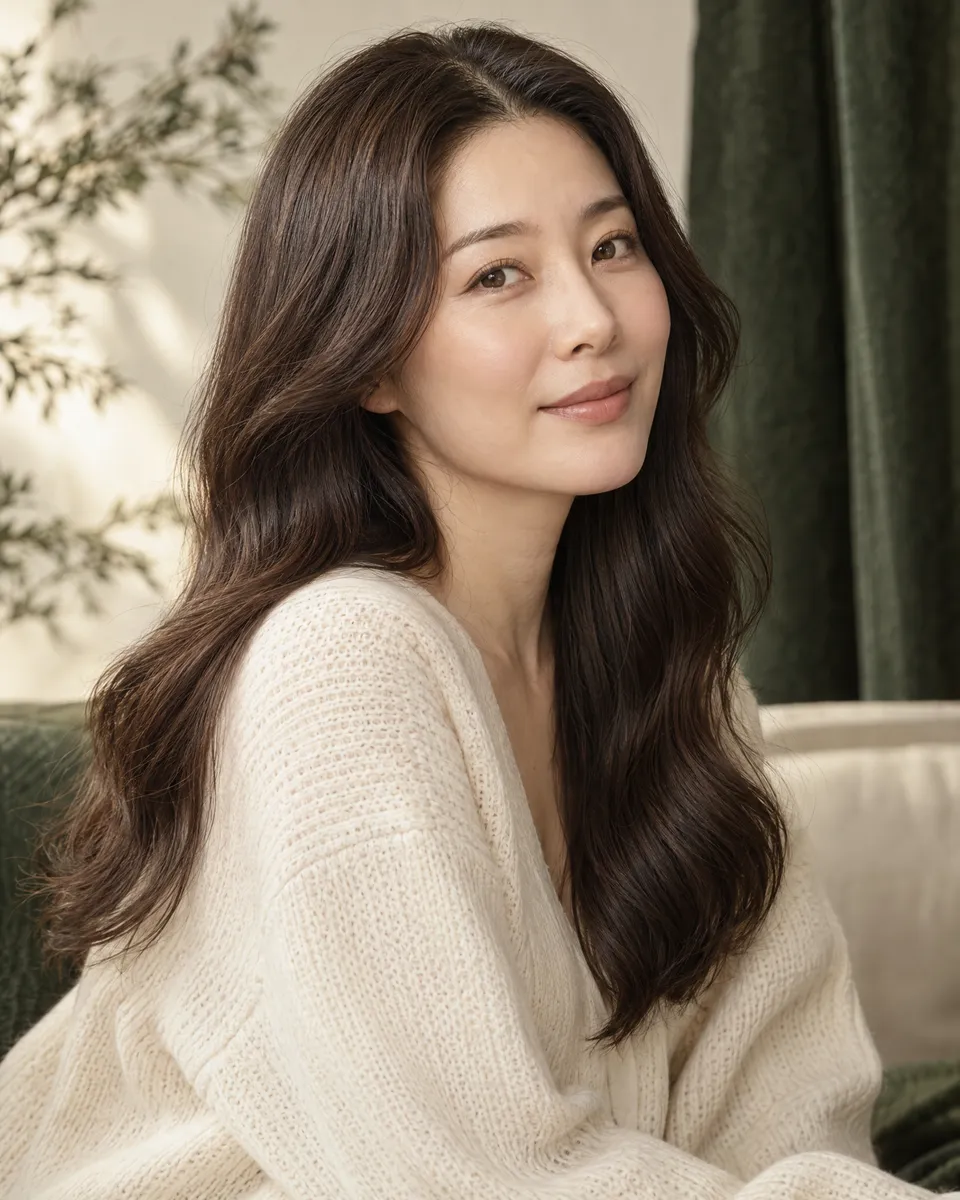
Wavy wigs with body wave definition
A body wave wig usually suggests broad, regular bends that give the hair a smooth, flowing shape. The wave is more apparent than a nearly straight style, but it does not form the repeated compact loops associated with many curly looks. It can suit someone who wants movement without making the overall silhouette look tightly curled. The exact wave depth and spacing depend on the individual style, so the label alone cannot tell you how pronounced it will appear.
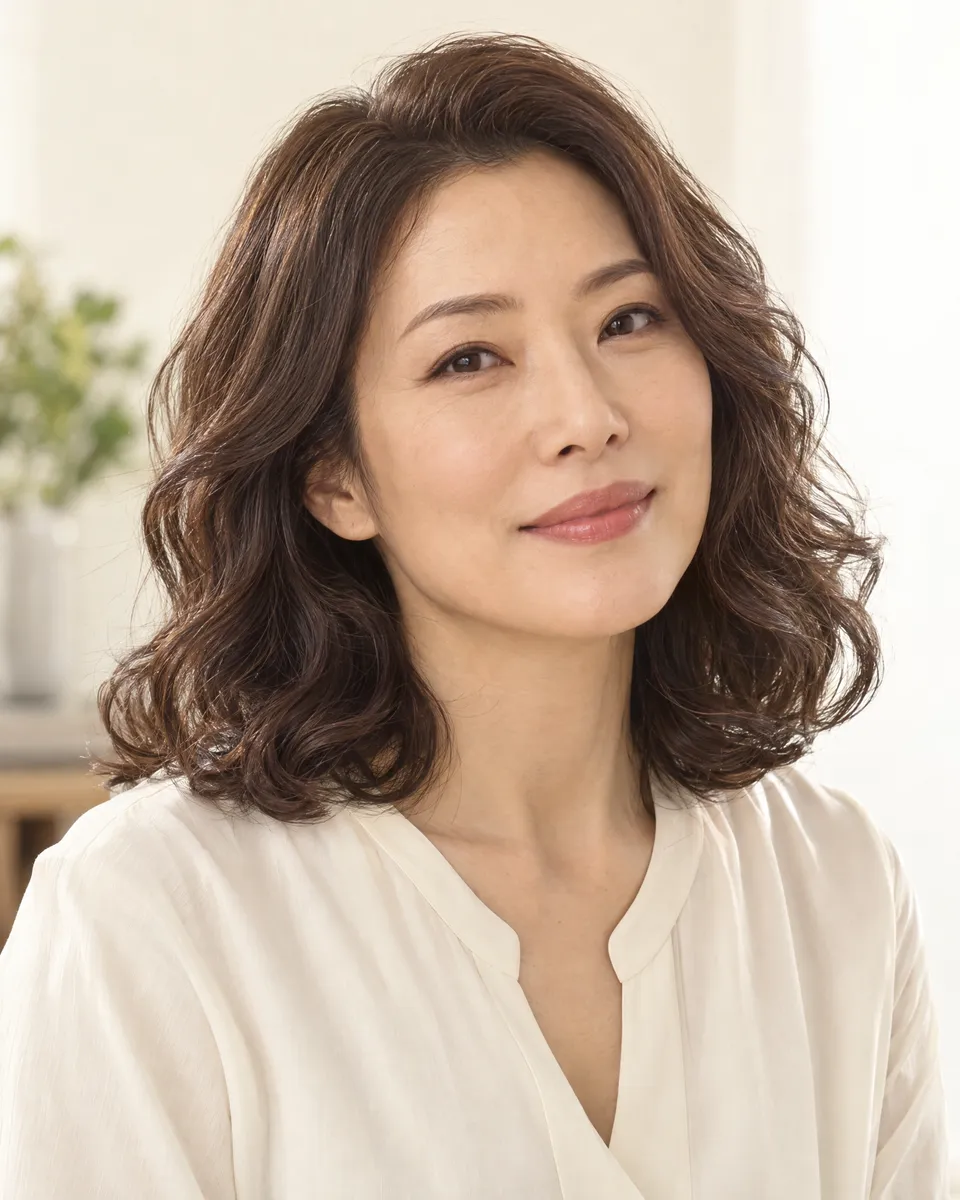
Look at the full length when judging a body wave. On a shorter cut, the bends may read as gentle volume around the face; on longer hair, they can form a more continuous pattern down the length. Compare it with short wigs if you prefer a compact outline, or medium length wigs if you want some length for the wave to show. Neither length is inherently better: the choice is about where you want the shape and movement to sit.
If a listing uses the words body wave, treat them as a description of texture, not proof that the hair is human hair, synthetic fibre or a particular cap type. Confirm those points separately in the product information. The American Cancer Society notes that natural light can help when comparing wig colour with a hair reference; that is a practical colour-checking point, not a promise that a screen image will reproduce the exact shade. American Cancer Society, “Wigs for Hair Loss”.
Wavy wigs in loose and beach wave looks
A loose wave often appears more relaxed and less evenly defined than a body wave. A beach wave usually suggests an easy, broken-up pattern rather than a repeated salon-finished bend. These terms can overlap in everyday product descriptions. Use the image and the actual item details together: notice whether the bends begin high or low, whether the ends keep their shape, and whether the overall finish looks smooth or tousled. Do not assume that “beach” means a wig is suitable for swimming or exposure to salt water.
Wave texture also interacts with the cut. A soft pattern can make a layered shape appear more separated, while a more regular wave can create a fuller-looking outline. See layered wigs if you are weighing how layers alter movement, or wigs with bangs if you want to compare a wave with a fringe. These are separate style choices: a fringe or layers should not be assumed from a wave label.
For a visual comparison, look for consistency across the crown, sides and ends rather than focusing on one attractive section of a picture. Consider whether you would be happy with the pattern at the length shown, and whether you want the wave to frame the face or sit mainly below the shoulders. See long wigs if you want more length for the wave to travel through, or compare it with pixie wigs for a much shorter silhouette where a flowing wave may not be the defining feature.
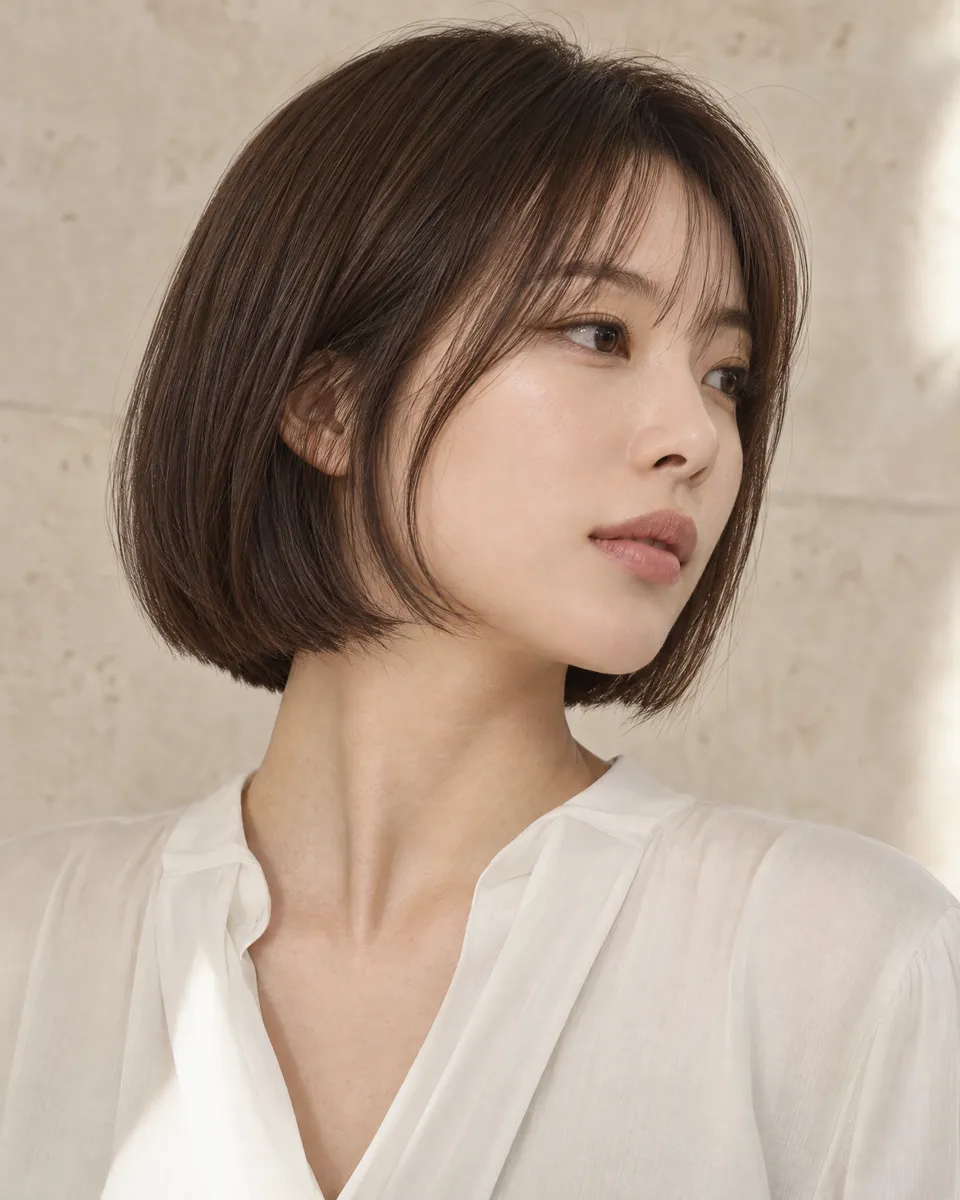
Wavy wigs compared with curly styles
Waves and curls both add texture, but they create different visual rhythms. A wave tends to move through the hair in broad bends, while curls form more distinct turns. There is no single boundary that applies to every product, so compare the actual pattern rather than relying on a category name alone.
How wavy wigs differ from curls
In a wavy style, the eye usually follows a longer S-like line or flowing bend. In a curly style, the pattern tends to turn back on itself into more defined loops or coils. The difference affects the impression of the silhouette: waves can read as directional movement, whereas curls create more visible texture and separation. Some looser curls and stronger waves sit near the boundary, which is why product photos and an item-specific description matter more than an absolute definition.
If you are deciding between the two, compare how much definition you want to see around the face and through the ends. A body wave may feel more orderly; a loose or beach wave can look less uniform; a curl pattern may appear more textured. Explore curly wigs alongside wavy styles, and compare like with like where possible: similar length and overall shape make the texture difference easier to judge. A bob wigs with waves and a long curly style differ in both cut and texture, so they are not a clean comparison.
The pattern does not identify the fibre. Human hair and synthetic fibre can be presented in different textures, and the styling and care options depend on the exact product. Nor does a wave name establish the cap construction. Check those specifications separately before relying on assumptions about styling or maintenance. If a detail is not stated, ask about that item rather than inferring it from a photo or from the words “body wave”.

Questions to consider when browsing wavy wigs
A useful shortlist focuses on the look you want and the information needed to judge a particular item. Before choosing, make 3 checks: identify the wave pattern, compare the cut and length, and verify the product details that the style name does not answer.



| Style description | Typical visual impression | What to check when comparing |
|---|---|---|
| Body wave | Broad, more regular bends with visible definition | How pronounced and evenly spaced the bends look at the shown length |
| Loose wave | Relaxed, softer bends with less uniform definition | Where the wave begins and whether the ends keep a soft pattern |
| Beach wave | Casual-looking, broken-up movement | Whether the actual finish looks tousled or smooth; the name does not imply water suitability |
| Curly style | More distinct loops or coils than a flowing wave | Compare the curl pattern and length with a wavy style of a similar cut |
Ask about a wavy style
Tell us the style you have in mind. We can discuss the options, quotation and arrangements before you decide.
Ask about a wavy styleBefore you choose
What is the difference between a wavy wig and a curly wig?
A wavy wig generally has flowing bends or an S-shaped pattern, while a curly wig usually has more defined loops or coils. The boundary can vary by style, so compare the actual pattern and the length shown rather than relying on the label alone.
What do body wave, loose wave and beach wave mean?
They are descriptive terms for different visible patterns. Body wave often suggests broader, more regular bends; loose wave suggests softer, less defined movement; and beach wave commonly describes a more casual, broken-up look. The terms can overlap and do not identify fibre or cap construction.
Does the term body wave identify a wig's hair material?
No. Body wave describes a wave pattern, not whether the wig is made from human hair or synthetic fibre. Check the individual product details for material, cap construction and any styling guidance.
Can I ask about a particular wavy style in Hong Kong?
Yes. Contact OWNSTRAND by WhatsApp to ask about a style, product details, a quotation or supply confirmation. An enquiry does not place an order, and a style reference does not itself confirm current supply.
Further reading
- Wigs for Hair Loss — American Cancer SocietySupports the specific general colour-selection point that natural light can help when comparing a wig with a hair colour reference; cited only as general guidance, not as an endorsement or product-specific claim.
Still weighing up your options?
Follow a related guide to make your next decision with clearer information.
Explore curly wigs by curl pattern and preferred length. Check individual listings for details, then WhatsApp OWNSTRAND to ask about style and availability.
Explore medium length wigs and compare mid-length and shoulder-length looks. Ask OWNSTRAND about styles and options to find a length that suits your preferences.
Explore long wigs by length, fibre and styling needs. Compare what to consider for daily wear, then WhatsApp OWNSTRAND to ask about styles and availability.
Explore pixie wigs for everyday styling, including short, layered and textured looks. Compare style details and ask OWNSTRAND about options in Hong Kong.