

How synthetic wigs for cancer patients differ from human hair options
The useful comparison is not simply “easy” versus “natural”. Fibre, style, cap construction and care instructions all affect a wig. The American Cancer Society notes that synthetic wigs generally need less maintenance, while human hair can offer more styling flexibility but needs more care. This is general guidance, not a promise about every product (American Cancer Society).
Synthetic wigs for cancer patients: care and styling questions
A ready-styled synthetic wig may suit someone who wants a consistent look without styling it from scratch. This can simplify a daily routine, but not every synthetic wig is lightweight or low-maintenance in every respect. Ask how to wash and detangle the specific fibre, and whether any heat styling is allowed. Never assume one style is heat-friendly because another from the same brand is.
For a synthetic wig for chemotherapy hair loss, check the base and fit as well as the fibre. A chemo synthetic wig is simply a synthetic option being considered during treatment, not a technical construction or suitability standard. If low weight matters, look for product weight and cap details rather than relying on an unsubstantiated “lightweight synthetic wig” label. The American Cancer Society says to use heated tools only if the wig is heat resistant; Cancer Research UK also advises checking the maker's instructions because direct heat can damage synthetic fibres. For a separate family topic, see wigs for children with cancer hair loss.
Human hair wigs for cancer patients: points to compare
Human hair wigs for cancer patients may appeal if you value the movement and styling options of real hair. They also need care suited to the particular hair and construction. Ask whether the style needs professional washing or setting, which products are appropriate, and whether heat or colour treatment is allowed. “Can be styled” does not mean unlimited processing or universal suitability.
A real hair wig for cancer hair loss is still an individual product. Check its length, density, cap fit and care guidance. Some shoppers want a familiar texture; others prefer a ready-to-wear shape. If the hair loss has another cause, some selection questions overlap, but coverage needs differ; see alopecia wigs. Compare daily effort, styling limits, construction and how you feel wearing each style.

Questions to consider when comparing wig materials during treatment
Use three checks: care, construction and routine. Can you follow the washing and styling instructions? What does the product say about cap, adjustment and weight? Is the style practical for where you expect to wear it? This is more useful than judging by fibre name alone. If you are deciding whether to wear a wig every day, compare it with a wig or scarf for hair loss or headscarves for chemotherapy as personal options, not prescribed alternatives.
Check the individual wig construction and care information
Ask for the exact fibre and base description, including any adjustment features. If a listing says “breathable”, “soft” or “natural”, ask what that means for this particular style. A parting area or front finish may matter to your look, but imported construction terms are not automatically interchangeable with local or maker-specific names. Confirm item-level details before comparing labels.
Comfort is personal and may vary. If scalp sensitivity is a concern, ask what touches the skin and whether a liner can be worn; do not assume a wig will prevent irritation. See wig for sensitive scalp during chemotherapy for focused selection considerations. For medical or skin concerns, consult a healthcare professional; a seller cannot diagnose or promise suitability.

Choosing between synthetic and human hair wigs for cancer patients
There is no single right answer for everyone. A synthetic style may fit a routine if its set shape and care instructions work for you; human hair may be worth considering if you value styling flexibility and accept extra care. Neither establishes medical suitability. Compare the particular wig as you expect to wear it, and remember that you can choose a scarf, hat or no head covering on some days.
Synthetic wigs for cancer patients: care and styling questions
Think through an ordinary week. Would you rather put on a style that already holds its shape, or adjust it yourself? Can you follow its washing and drying instructions? Ask what “easy care” includes and what restrictions apply. A synthetic wig for cancer-related hair loss describes a material choice, not a separate construction category; check the exact fibre and care details. A headscarves for chemotherapy option may also suit someone who wants another look on some days.
For colour, view a sample under lighting similar to where you usually spend time; do not rely only on a screen image. A current photo or hair colour reference may help if you are choosing before treatment-related changes, but later preferences can differ. You can aim for continuity or try a new look; neither choice needs justification.
Human hair wigs for cancer patients: points to compare
If you are considering a human hair wig for chemotherapy, you may value its styling versatility or familiar appearance. Consider whether the extra care fits your routine. If you are interested in a custom piece, ask what consultation and fitting involve, and confirm the construction rather than assuming it matches a foreign cap term. See custom vs ready-made wigs. OWNSTRAND takes enquiries about handmade custom human-hair wigs, including sample viewing and measurement; discuss the details for the specific request.
A human hair chemo wig is not automatically the best value or easiest choice. Compare how it sits, its maintenance, permitted styling and whether you like the result. For a wider material overview, read human hair vs synthetic wigs. Ask OWNSTRAND about styles, quotations and supply confirmation on WhatsApp at +852 5933 4697; a message is an enquiry, not an order.


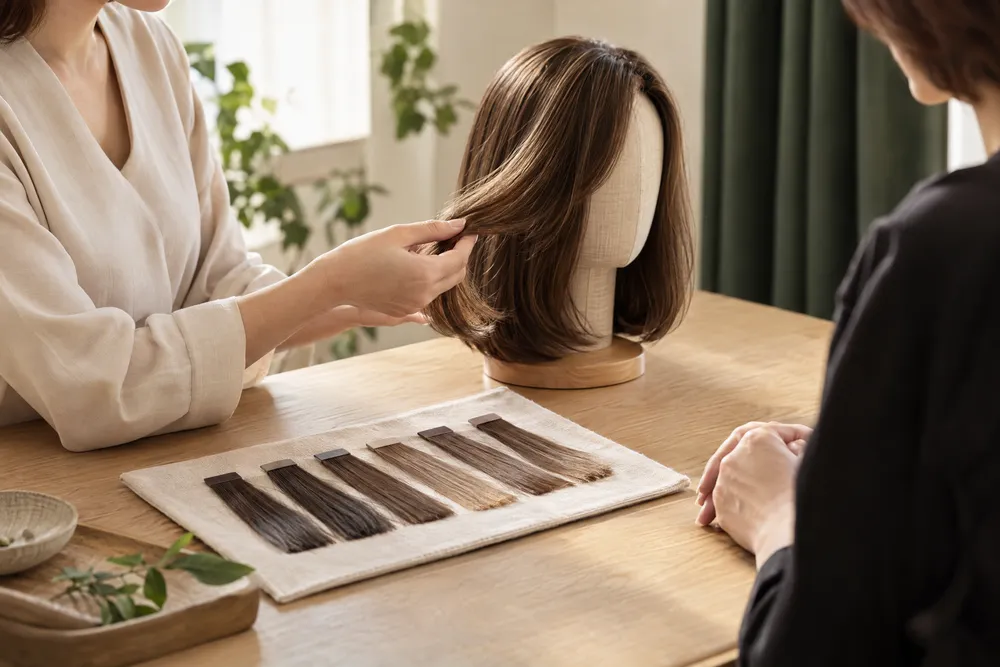

| What to compare | Synthetic option | Human hair option | Question to ask |
|---|---|---|---|
| Everyday styling | May hold a set style; styling choices depend on the fibre | Can offer more styling flexibility, subject to care guidance | What can I change, and what must stay as supplied? |
| Care routine | Follow fibre-specific washing, drying and heat instructions | May need more hands-on care or professional setting | What exactly does cleaning and upkeep involve? |
| Fit and construction | Check the cap, adjustment and contact points on this style | Check the cap, adjustment and contact points on this style | Can I see the construction details and try the fit? |
| Best comparison | Choose only if its own instructions fit your routine | Choose only if its own care needs and styling options fit | Which features matter most to me, regardless of label? |
Ask about styles and availability on WhatsApp
Tell us the style you have in mind. We can discuss the options, quotation and arrangements before you decide.
Ask about styles and availability on WhatsAppBefore you choose
Are synthetic wigs a practical option during cancer treatment?
A synthetic style may be one option if its fit and care routine work for you. A set shape can simplify styling, while heat limits or other instructions may not suit every routine. Check the specific product information and cap details. Comfort and suitability vary; no material is right for everyone.
Are human hair wigs always more suitable than synthetic wigs?
No. Human hair may provide styling flexibility but can involve more care; synthetic fibres may offer a ready-styled shape but have their own care and heat restrictions. Neither guarantees comfort or suitability. Compare the particular style, cap construction, instructions and your preferences.
What should I compare before choosing a wig during treatment?
Compare material, construction, fit, care instructions and permitted styling, then consider your routine and preferences. For scalp or treatment-related health concerns, ask a healthcare professional rather than relying on a product description. OWNSTRAND can answer enquiries about styles, quotations and supply confirmation; an enquiry is not an order.
Further reading
- American Cancer Society — Choosing and Wearing a WigSupports the specific general comparison that synthetic wigs are usually lower-maintenance while human-hair wigs offer greater styling flexibility and require more care, and the caution to use heat only when a wig is confirmed heat-resistant. This is general guidance, not an endorsement of OWNSTRAND or a guarantee about a particular wig.
- Cancer Research UK — Wigs, hats and scarvesSupports the statement that synthetic fibres can be damaged by direct heat and that readers should check the manufacturer's information before using heated styling tools. This is general care guidance, not a Hong Kong service or product-specific claim.
Still weighing up your options?
Follow a related guide to make your next decision with clearer information.

Explore alopecia wigs for cosmetic coverage, with practical notes on fit, materials and everyday choices. Contact OWNSTRAND to ask about options.
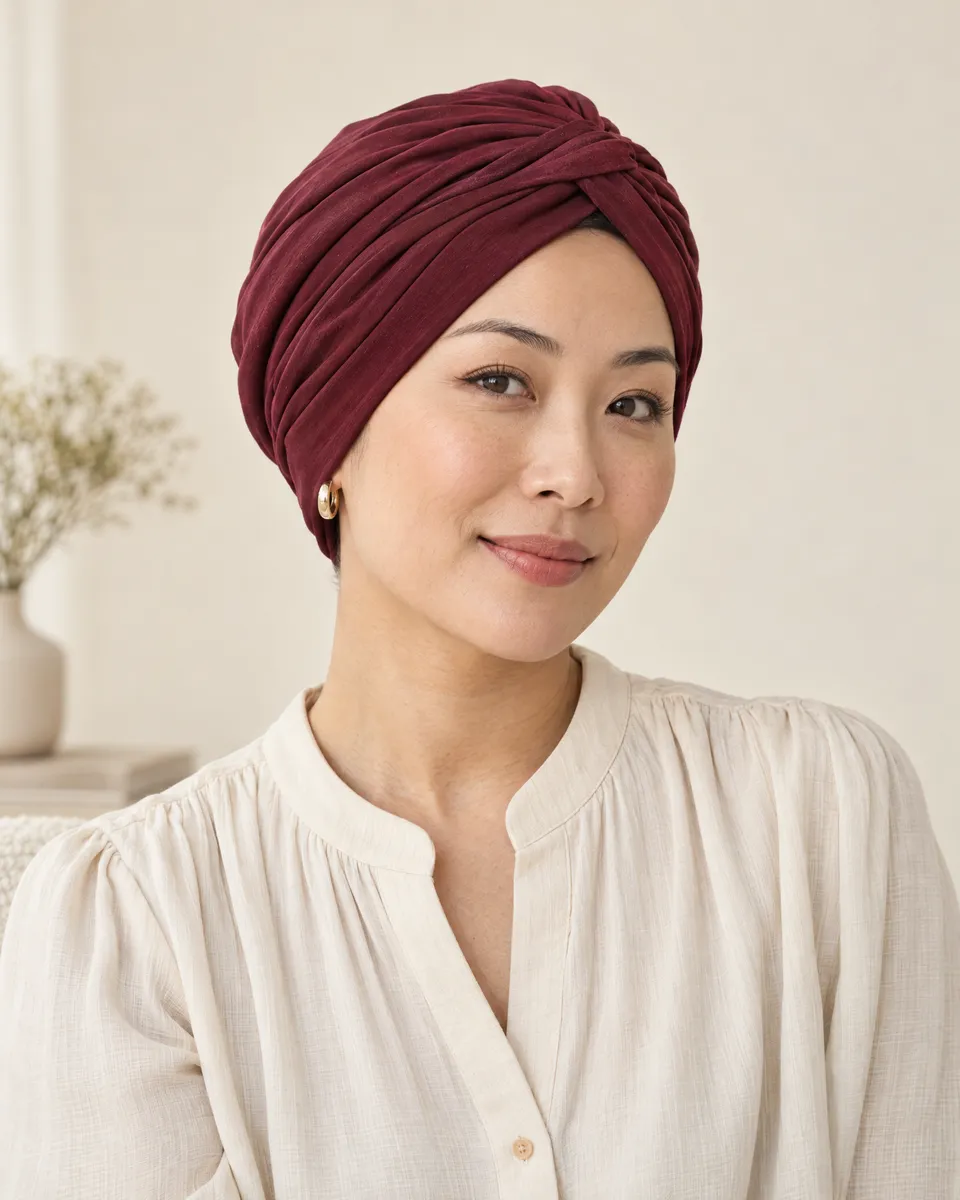
Compare a wig or scarf for hair loss with hats and other headwear. Review coverage, styling and everyday wear considerations, then ask OWNSTRAND about options.
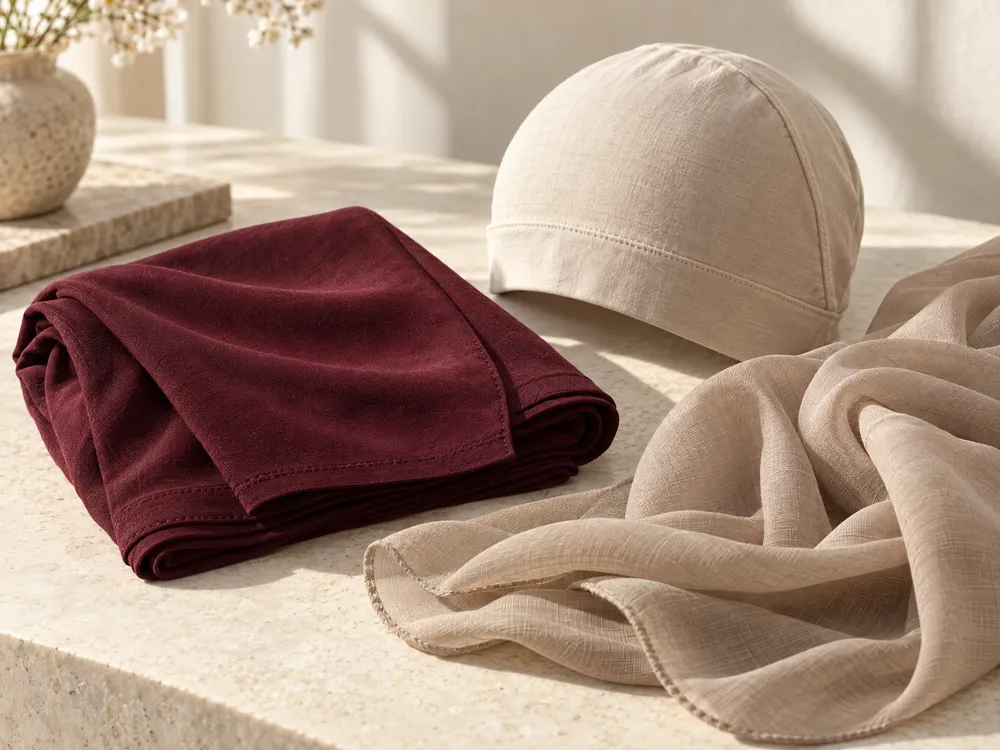
Explore headscarves for chemotherapy and chemo hats as everyday headwear options for hair loss. Ask OWNSTRAND about styles, materials and availability.

A wig for sensitive scalp during chemotherapy calls for careful attention to lining, seams and fit. Compare comfort points and ask OWNSTRAND about suitable options.