

What wig density means
Density describes the overall impression made by a wig’s hair. It is one part of the look, alongside style, length, fibre movement and the way the hair is arranged.
How wig density relates to overall fullness
Wig density describes the amount of hair contributing to a style’s coverage and silhouette: overall fullness, not the thickness or coarseness of each fibre. Fine-looking strands can create a full outline when there is more hair; a smaller amount may look airy even when strands appear substantial. Density and fibre texture are distinct considerations.
The label alone cannot tell you how a wig will sit. Length adds visual weight, layering can remove bulk or create lift, and a blunt cut may look denser at the ends than a graduated shape. Parting, fringe and colour also affect the impression. Compare the whole silhouette; for hairline details, see natural-looking wigs rather than expecting density alone to create a natural appearance.
There is no universal scale making every brand’s percentage directly comparable. Makers may describe figures differently, and cuts can look distinct despite similar labels. Use numbers as a starting point: ask what the figure means for that piece, view its front and side, and notice the parting and movement.
Fit is separate from density. The American Cancer Society’s general wig guidance notes that sizes can vary by brand, so assess the fit of the specific style rather than infer it from a fullness label. This is general selection advice, not a product-specific claim. If comparing services, compare wig shops in Hong Kong by asking what sample viewing and fitting conversations each offers.
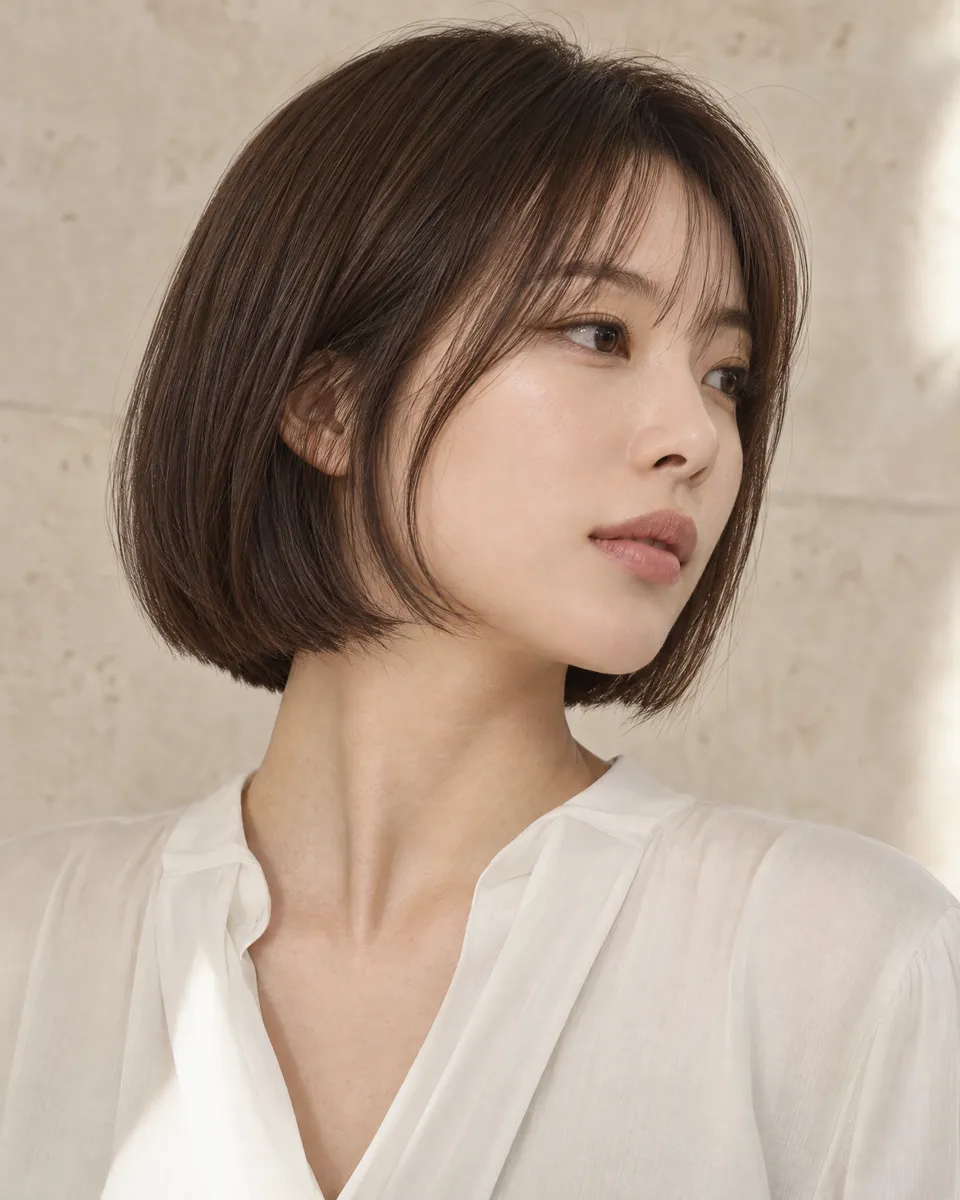
Comparing lighter, medium and fuller-looking wigs
Low, medium and fuller-looking are visual shorthand, not fixed grades. Compare the outline, movement and styling effort you prefer, then decide whether the whole effect suits your routine.
Low and light density wigs: a less-full appearance
Low density wigs and light density wigs generally suggest a less-full appearance, but neither phrase identifies one universal construction. A close, understated shape may suit someone who wants a familiar silhouette or a short cut that moves freely. Still, a low-density label does not guarantee lower physical weight, a flatter fit or a result for every head shape; materials, length and design matter.
A medium density wig may offer a middle ground when you want visible body without a deliberately voluminous outline. Cut matters: a layered shoulder-length style differs from a rounded bob, and a fringe changes the front impression. Compare similar shapes. With a lace front wig, assess the front hairline separately; it does not define fullness elsewhere.
A fuller-looking wig may create a bolder outline, more movement through the lengths or a more substantial finish. That may suit you if you want a new silhouette. Fuller is not synonymous with artificial, just as lighter is not automatically natural. Consider how you want the hair to frame your face and whether you prefer a subtle or more noticeable style statement.
Colour affects the impression but is not a density grade. Lighting and shade can change how clearly the outline reads. Use the wig color matching guide to think about colour separately; explore black wigs or grey wigs if those looks interest you. A colour reference is not confirmation of current availability.
Compare face-framing, ends, parting and the side outline; where possible, view a sample worn. You can also buy a wig online in Hong Kong. Ask for the details that matter and a quotation and availability for your chosen option.

Choosing a wig density for your preferred everyday look
Instead of asking which number is best, decide what you want to see and feel on an ordinary day. Three checks—silhouette, styling and comfort—make comparisons clearer.
Questions to ask when comparing density options
First, describe the silhouette in everyday language. Should the hair sit close, softly frame your cheeks or have a more noticeable outline? A reference style can help explain your preference. You do not need a density percentage to begin; a visual description gives the conversation direction while leaving room to compare more than one possibility.
Second, consider your preferred cut and routine. A bob, long layers and a softly waved style distribute hair differently, so comparing unlike cuts can mislead. Think about parting, fringe and movement, then ask how the shape can be maintained. Describe length and colour alongside fullness: the aim is a coherent look, not maximising one feature.
Third, notice comfort and day-to-day handling. Consider whether the fit feels secure, the amount of hair manageable, and the styling time suitable for you. Do not assume a lighter-looking wig is physically lighter, cooler or easier to care for; those qualities depend on the piece. Follow its own care guidance and ask about styling questions relevant to your routine.
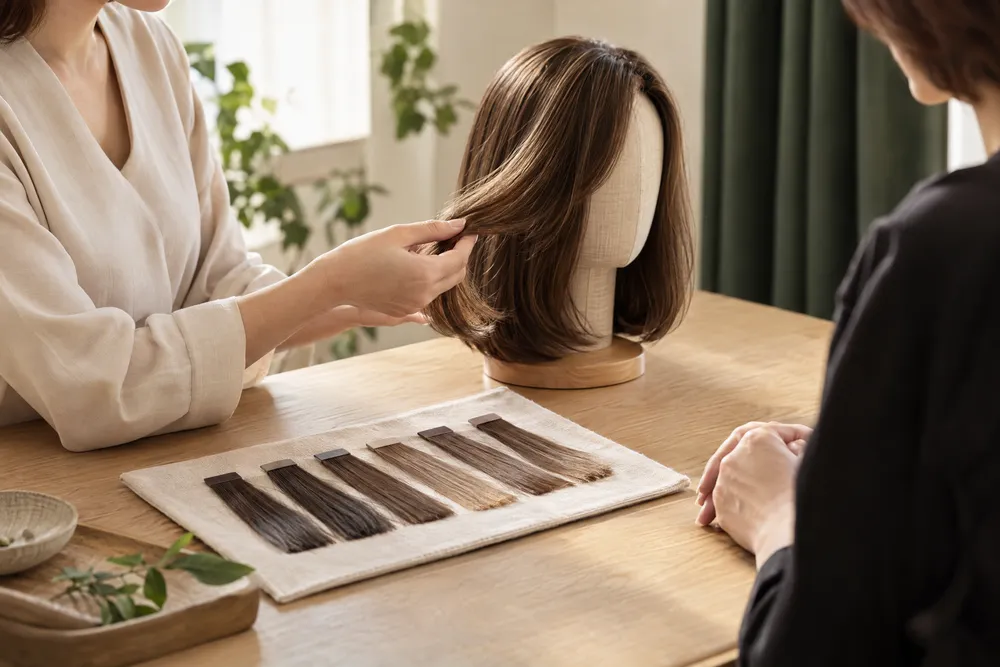
Keep one variable steady when comparing: use similar lengths and shapes, or ask about the specific style’s parting, outline and cut rather than relying on an unexplained percentage. OWNSTRAND’s custom human-hair service includes sample viewing, head measurement, handmade production and a return fitting with washing, cutting and blow-drying. These support a style discussion, not a promise every requested look is available.
Before enquiring, note your preferred silhouette, cut or length, and whether you want subtle or noticeable volume. Ask what density wording means for the exact option, whether a sample can be viewed, and what can be adjusted at fitting. For pricing, review wig prices in Hong Kong and request a quotation for the option you have in mind.
OWNSTRAND’s private salon is at Unit 2103, 50 Hoi Yuen Road, Kwun Tong, Hong Kong (利寶時中心). Enquire about sample viewing and fitting, or availability for a chosen style. The aim is to help you understand the specific style and choose a look that feels right.


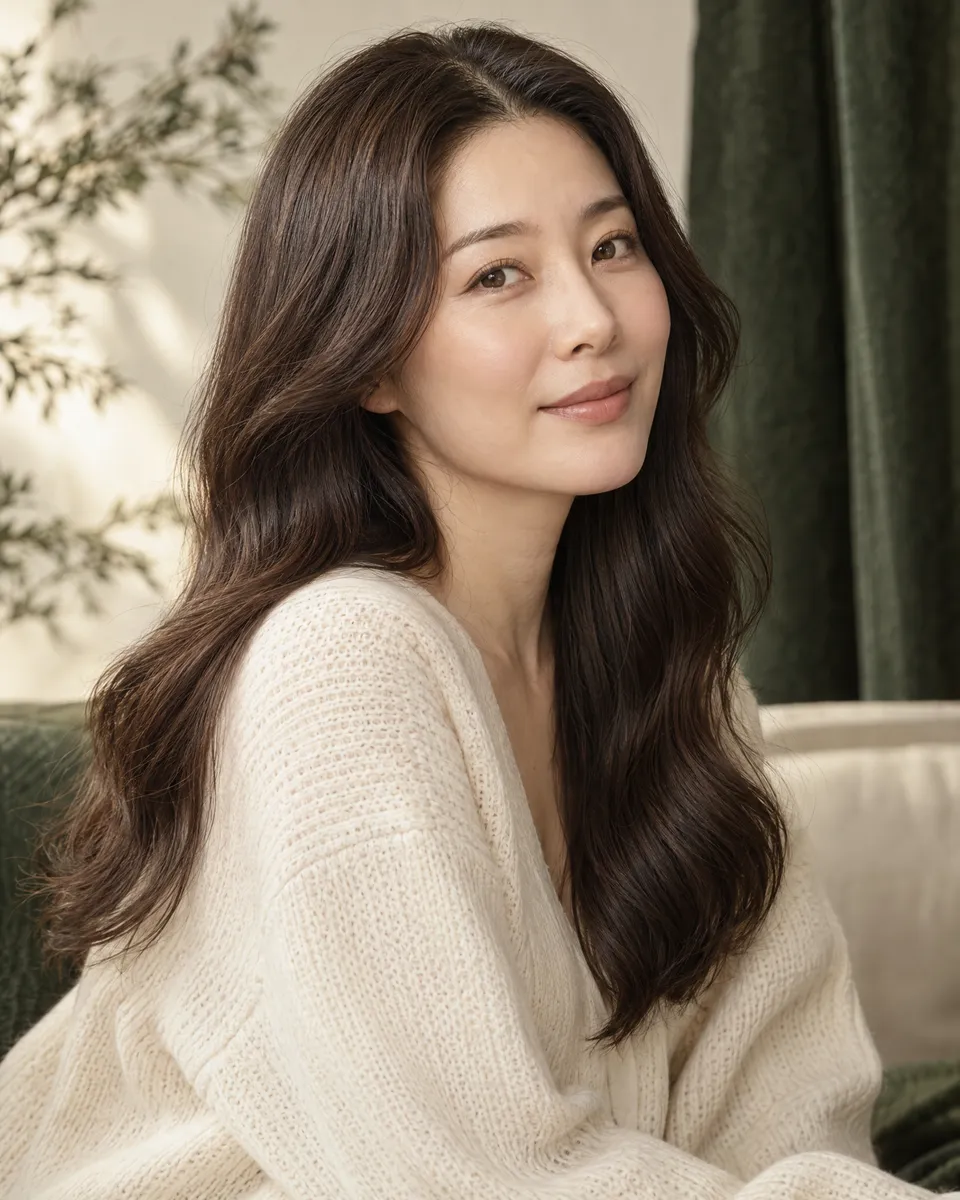

| Description to explore | Possible visual impression | What to compare for your style |
|---|---|---|
| Low or light-looking | A more understated outline; hair may appear less full overall | Check the cut, ends and coverage together; do not assume the label guarantees lower weight or a particular fit. |
| Medium-looking | A balanced amount of visible body, depending on the shape | Compare a similar length and layering; notice whether the parting and face-framing feel like your everyday preference. |
| Fuller-looking | A more substantial outline or more visible volume through the style | See how the silhouette looks from front and side, and consider the amount of hair you enjoy arranging. |
| Any stated percentage | A maker-specific description rather than a universal visual promise | Ask what the figure means for that exact wig and compare the actual style, not numbers across unlike brands. |
Ask about wig density and fitting
Tell us the style you have in mind. We can discuss the options, quotation and arrangements before you decide.
Ask about wig density and fittingBefore you choose
What does wig density mean?
Wig density describes the overall fullness created by the hair on a wig. It is different from the thickness of each individual hair fibre, and the resulting appearance also depends on cut, length, parting and styling.
Do wig density percentages mean the same thing across brands?
Not necessarily. Density percentages are not a universal industry standard, so the same figure may not describe an identical look across different brands or styles. Ask what the figure means for the particular piece and compare its actual outline where possible.
Is lower density always more natural-looking?
No. A lighter appearance may suit someone who prefers a close, understated silhouette, while another person may prefer more visible body. Natural-looking wigs depend on the whole style and your taste, not on choosing the lowest label.
Does wig density describe how thick each hair fibre is?
No. Density refers to overall fullness, not whether individual fibres are thicker or finer. Fibre texture and the amount of hair are separate considerations when comparing a style.
Further reading
- American Cancer Society — Wigs for Hair LossGeneral selection guidance notes that wig sizes can vary by brand; cited only to support checking the fit of the specific style, not as an OWNSTRAND endorsement or product-specific claim.
Still weighing up your options?
Follow a related guide to make your next decision with clearer information.
Compare wig shops in Hong Kong by checking prices, fit, options and stated policies. Use this guide to prepare questions, then ask OWNSTRAND about available choices.
Use this wig color matching guide and wig color chart to compare shades across lighting. Screens can vary; WhatsApp us to ask about a specific style.

Wig prices in Hong Kong vary by style and construction. Compare OWNSTRAND custom options, then WhatsApp to ask about styles, quotes and availability.
Explore what a lace front wig is and compare its hairline construction with other cap styles. Ask OWNSTRAND Wigs in Hong Kong about options; details vary by style.