

Choosing wigs for children with cancer hair loss
Start with what the child hopes the wig will do in daily life. Some children may want a look close to their usual hair; others may prefer a different colour or style, or may be unsure whether they want to wear a wig at all. There is no single correct answer, and a family can compare options without making a commitment on the spot.
How to compare wigs for children with cancer hair loss
Compare the whole experience of wearing a particular wig, not just a catalogue image. Look at the overall silhouette, length, density, colour and hairline, then ask whether those details feel recognisable and comfortable to the child. A reference image or an existing hairstyle can help explain a preference, but it cannot establish an exact colour match or guarantee how a style will look in person. If the child is not ready to choose, it is reasonable to pause and revisit the decision.
Fibre is another practical distinction. Synthetic and human-hair wigs can differ in appearance, styling options and day-to-day care; neither description alone establishes that a particular item is suitable for a child or a treatment-related situation. Read the maker’s instructions for the exact piece, especially before using heat or trying a new product. Our guide to synthetic wigs for cancer patients compares those broad material choices, while the separate overview of men's hair system base types illustrates why construction terms should be read in the context of the specific item rather than treated as interchangeable labels.
Fit deserves its own check. A wig that shifts, presses or feels distracting may be difficult to enjoy, even if its appearance is appealing. The American Cancer Society’s general guidance on choosing and wearing a wig notes that sizing can vary between brands. That is a reason to check the measurements and fit of the actual option, not to assume that an adult size or a label will work for a child. If there is discomfort or a health concern, seek guidance from the child’s healthcare team; this article cannot assess an individual child’s needs.

Questions to consider about fit, comfort and style
A useful comparison is specific and low-pressure: what feels good, what may be hard to manage, and what alternatives would the child prefer? Give the child an age-appropriate say in appearance and routine, while keeping any medical or skin-related questions with the healthcare team. Comfort cannot be promised from a photo or product description.
Talk through the child’s preferences and everyday care
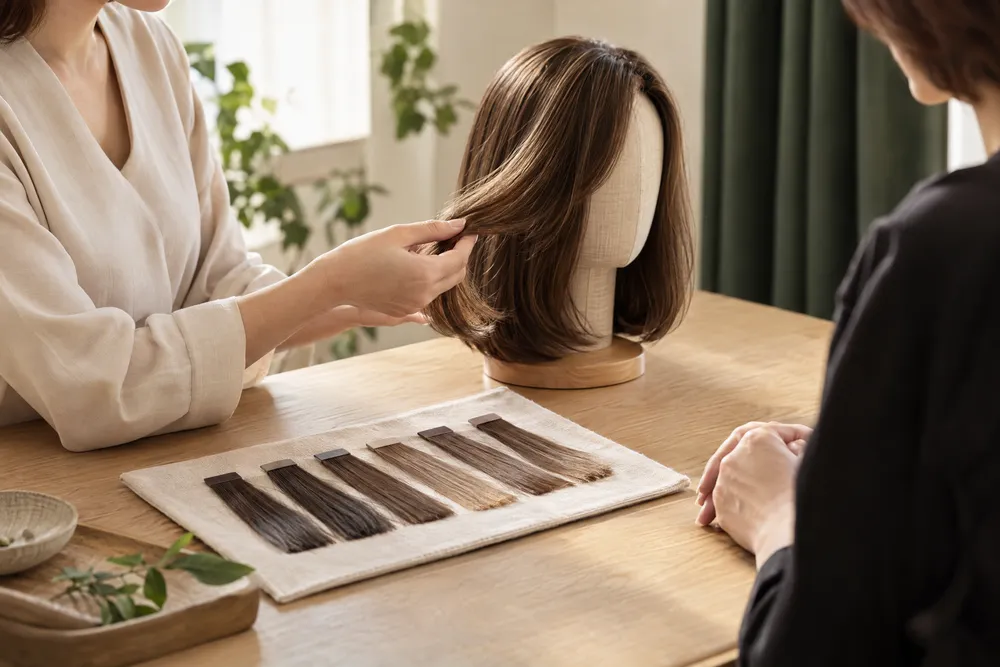
Ask what matters most to the child: a familiar fringe, a shorter length, a particular parting, or an easy-to-recognise colour. Keep the conversation open rather than presenting a wig as something the child has to wear. A private, unhurried look at sample styles may help some families, but do not assume that an appointment, child-specific fitting or sample is available; confirm the arrangement first. If a child prefers coverage without a wig, compare headscarves for chemotherapy and the broader discussion of a wig or scarf for hair loss as different appearance choices, not as medical alternatives.
Consider the routine at home as carefully as the first impression. Ask who will help with detangling, washing, drying and safe storage, and how much time that routine is likely to take for the specific wig. Follow the manufacturer’s care guidance rather than applying adult habits or advice for another fibre. Do not infer heat resistance, wash frequency or product compatibility from a general label. If the child has scalp sensitivity, discomfort or another health concern, pause and ask the healthcare team; the guide to a wig for sensitive scalp during chemotherapy offers questions to raise, not a diagnosis or guarantee of suitability.
Hair loss patterns differ, so first establish what area the family actually wants to cover. A full wig and a partial-coverage piece are not the same solution. For context, a hair topper for widening part is a guide to a coverage product for a different pattern; it should not be taken as a recommendation for a child with cancer-related hair loss. Similarly, an alopecia wigs guide discusses appearance-focused selection in another context. These distinctions can help families describe a question, but the exact product’s coverage and suitability still need direct confirmation.
What families should confirm before arranging a wig
Before travelling, paying or making a schedule around a particular wig, gather clear answers about the exact option. Children-specific sizes, styles and fitting arrangements are not confirmed here. Treat each detail as a question to resolve directly, rather than assuming that a general service description applies to a child’s needs.
Confirm availability and fitting arrangements directly
Describe the desired style and ask whether a suitable option can be viewed or discussed, what measurements or fit checks are possible, and whether a child may attend with a parent or guardian. Ask what happens if the first fit feels uncomfortable and whether adjustments are part of the confirmed arrangement. Do not assume that a private consultation, a children’s size range, a fitting appointment or any particular product is available until the provider has answered for that specific case.
Ask for the full price and clarify what it covers before agreeing to proceed. If the provider discusses a made-to-measure option, confirm the construction, expected process, fitting steps, care instructions and any costs in writing or in a clear message. A name for a base or technique should not be treated as equivalent to a different country’s construction terminology unless the provider confirms that exact comparison. Stock, delivery, payment, returns and timing also need direct confirmation; none should be inferred from a general enquiry or a catalogue reference.
OWNSTRAND’s confirmed location is Unit 2103, 50 Hoi Yuen Road, Kwun Tong, Hong Kong (利寶時中心). Families can use WhatsApp +852 5933 4697 to ask about a particular style, request a quotation and confirm supply or arrangements; a message is an enquiry, not an automatic order. If a child does not want a wig, that choice deserves the same respect. The aim is to give the family room to compare options and decide what feels right, without pressure to buy or a promise that one appearance choice will suit everyone.



| What to compare | Questions for the child and family | What to verify for the exact option |
|---|---|---|
| Appearance | Does the child prefer a familiar shape, length, parting or colour, or a different look? | View the actual style if possible; a reference image is not an exact colour or style guarantee. |
| Fit and comfort | Does it feel secure and comfortable without pressure or distraction? | Ask whether the size can be checked on the child and what adjustment arrangements apply. |
| Material and care | Who can help with the routine, and what feels manageable at home? | Confirm fibre, maker’s care instructions and any heat or product limits for that item. |
| Other coverage choices | Would the child rather try a scarf, hat or no covering on some days? | Check each product separately; do not assume availability or suitability from a general category. |
Ask about a specific style on WhatsApp
Tell us the style you have in mind. We can discuss the options, quotation and arrangements before you decide.
Ask about a specific style on WhatsAppBefore you choose
What should a family consider when choosing a wig for a child experiencing hair loss?
Start with the child’s preferences, comfort and desired appearance, then compare the fit, construction and care instructions for a specific wig. A photo or general size label cannot confirm fit. If there is a health or scalp concern, ask the child’s healthcare team; suitability depends on the individual and the exact item.
Are children’s wig sizes or styles available from OWNSTRAND?
Children-specific sizes, styles and fitting arrangements are not confirmed here. Contact OWNSTRAND about the particular style you have in mind and ask what can be viewed or arranged before making plans.
What can families ask before arranging a wig?
Ask about the exact style, fit checks, care instructions, full price, availability and whether an appointment or other arrangement is suitable for the child. Confirm all practical details directly. WhatsApp +852 5933 4697 is for enquiries, quotations and supply confirmation; it does not itself place an order.
Does a child have to wear a wig if they are experiencing hair loss?
No. A wig is one appearance choice, and a child may prefer a scarf, hat or no covering. Listen to the child without pressure, and speak with the healthcare team about any medical or skin-related concern rather than treating a style guide as clinical advice.
Further reading
- American Cancer Society — Choosing and Wearing a WigSupports the general factual point that wig sizing can vary between brands; used to recommend checking the measurements and fit of the specific option, not as a child-specific endorsement or suitability claim.
Still weighing up your options?
Follow a related guide to make your next decision with clearer information.

Explore alopecia wigs for cosmetic coverage, with practical notes on fit, materials and everyday choices. Contact OWNSTRAND to ask about options.

A wig for sensitive scalp during chemotherapy calls for careful attention to lining, seams and fit. Compare comfort points and ask OWNSTRAND about suitable options.
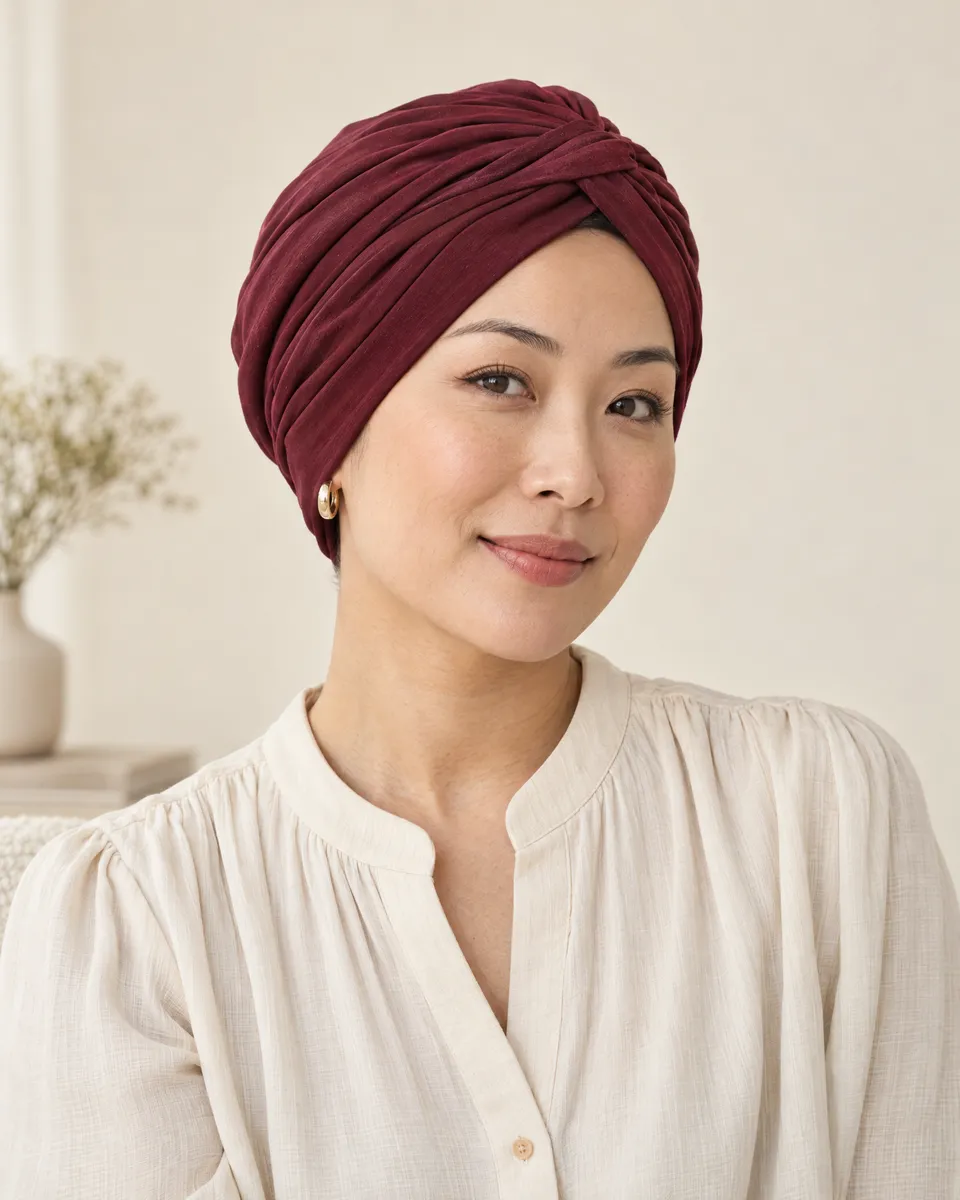
Explore headscarves for chemotherapy and chemo hats as everyday headwear options for hair loss. Ask OWNSTRAND about styles, materials and availability.
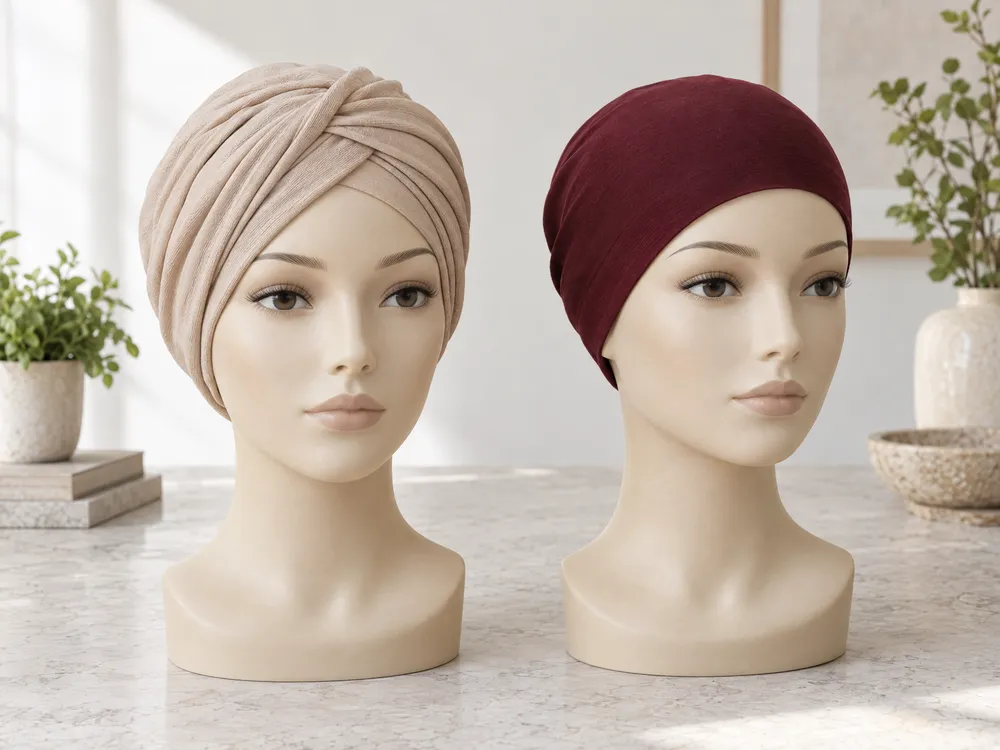
Compare a wig or scarf for hair loss with hats and other headwear. Review coverage, styling and everyday wear considerations, then ask OWNSTRAND about options.