

What Are the Main Wig Hair Types?
Most comparisons start with 3 broad fibre categories: human hair, synthetic fibre and heat-friendly synthetic fibre. These names describe the hair material, not the whole wig or every detail of its construction. Check the exact item information before relying on a general category. If you are comparing a wig with a hair system, keep fibre and base as separate questions; men's hair system base types addresses base terminology rather than changing what the strands are made from.
Wig Hair Types at a Glance
A human-hair wig uses human hair and may suit someone who wants to work with a real-hair fibre. Styling options still depend on the exact product. Do not assume it can be coloured, permed or treated with any salon product without clear instructions.
A synthetic wig uses manufactured fibre. Some styles are designed to retain a set shape, which may suit someone who prefers a consistent look. Finish, movement and care vary, so check how the exact piece should be detangled, washed and stored. Never assume a synthetic fibre is heat-friendly.
Heat-friendly synthetic fibre is a synthetic material that may allow some heat styling on specified products. The term does not mean unlimited heat tolerance or state a safe temperature. Use heat only when the maker’s product-specific instructions permit the tool and method; if details are missing, ask first.
Blended fibres combine human hair and synthetic strands, so their behaviour depends on the product. Compare human hair synthetic blend wigs as a distinct option and ask how its stated blend affects care.

How Human Hair and Synthetic Fibres Differ
The practical difference is not a universal ranking of quality. It is how a particular wig fits your preferred finish, styling habits and willingness to follow its care directions. A useful comparison looks at the individual option rather than assuming that one material always looks better or lasts longer.
Human Hair Wigs: Care and Styling Considerations
Human hair gives you a real-hair fibre to work with. Ask whether the specific piece can be restyled and which tools or products are permitted. That does not automatically allow bleaching, colouring, perming or high heat; these can affect the hair and require product-specific guidance.
Think about detangling, washing, drying and restyling as well as the first try-on. Human hair still needs care, and advice for natural hair may not suit a wig. Follow the item’s instructions. If you expect humid-weather wear, consider the practical guidance on wig frizz in humidity without assuming every fibre behaves the same way.
Judge a natural-looking finish by the complete style: shade, density, cut and hairline all matter. See natural-looking wigs for appearance considerations, and ask what is confirmed about the exact product rather than treating ‘human hair’ as a guarantee of a particular look.
Synthetic and Heat-Friendly Fibres
Synthetic fibre may suit someone who likes a defined style and a clear care routine. Products differ in feel, finish and movement. Follow the item’s instructions for washing, brushing and storage; avoid heat unless the exact style is explicitly identified as heat-friendly with permitted-use details. The American Cancer Society also advises comparing wig materials and following product-specific directions for care and heat; this is general guidance, not an endorsement of any seller (Wigs for Hair Loss).
‘Heat-friendly’ is not a blank cheque: excessive or unsuitable heat may damage a fibre, and products have different restrictions. Do not infer a temperature, tool or technique from the category name. Check instructions first. Compare heat-friendly synthetic wigs with synthetic wigs by the actual styling guidance, not the label alone.
A topper is a different format from a full wig, so this fibre overview does not cover its coverage or attachment. If considering one, review synthetic hair topper and its own material and care details. For a focused comparison, see human hair vs synthetic wigs.

Choosing a Fibre for Your Styling Routine
Start with an ordinary week rather than an idealised styling plan. The best shortlist is the one whose confirmed care steps and styling limits you can realistically follow. For human hair, synthetic and heat-friendly options, use these three checks to compare exact products:
Three Checks Before You Choose
First, picture the finish you want on an ordinary day: a supplied style you will largely leave as it is, or one you expect to adjust with tools. If you plan to restyle, confirm the exact fibre and written limits; a heat-friendly label still needs product-specific instructions.
Second, check the whole care routine. Confirm how the piece should be brushed, washed, dried and stored, then consider whether those steps fit your habits. Compare what you are prepared to do with the confirmed instructions, not an assumed routine based on the fibre name.
Third, compare the finished look and what the description actually confirms. Consider texture, movement and shape, then ask about missing details. Do not infer styling tolerance, colour or availability from a concept image or category. Request confirmation for the specific option before deciding.




| Fibre category | What it may suit | What to verify before choosing |
|---|---|---|
| Human hair | Someone who wants to discuss a real-hair fibre and is prepared to follow its care routine | Permitted tools and products; whether any colour or chemical treatment is allowed; washing and drying instructions |
| Synthetic fibre | Someone considering a defined style and a product-specific care routine | Whether heat is prohibited; how to brush, wash and store this exact style; the finish and movement shown in its description |
| Heat-friendly synthetic fibre | Someone who wants to ask about limited heat styling on a specifically identified product | The maker’s exact heat-use instructions, including permitted tools or limits; never infer them from the label alone |
| Human-hair/synthetic blend | Someone comparing a mixed material rather than choosing either fibre category on its own | The stated blend details and care instructions for the individual piece; do not assume one component’s rules apply to all of it |
Enquire about wig fibre options
Tell us the style you have in mind. We can discuss the options, quotation and arrangements before you decide.
Enquire about wig fibre optionsBefore you choose
What are the main wig hair types?
The broad categories are human hair, synthetic fibre and heat-friendly synthetic fibre; some products use a blend. Material names are only a first guide. Exact characteristics, styling limits and care directions vary by product, so check the item-specific description before deciding.
How do human hair and synthetic wigs differ?
They use different materials and may involve different styling and care routines. Human hair should not automatically be treated or styled like a person’s own hair, and synthetic fibres are not all alike. Compare the exact finish, permitted styling methods and care instructions for the options you are considering.
Can every synthetic wig be heat-styled?
No. Do not apply heat unless the specific product is identified as heat-friendly and its instructions permit the tool and method you plan to use. The category name alone does not specify a safe temperature or guarantee that every style can be restyled.
Which wig fibre should I choose for my routine?
Decide how much restyling and care you want to do, then compare that routine with the confirmed instructions for each exact option. If you are weighing human hair synthetic and heat-friendly wigs, ask about material, styling limits and maintenance before choosing. OWNSTRAND can be contacted to enquire about options, quotations and supply confirmation; an enquiry is not itself an order.
Further reading
- American Cancer Society — Wigs for Hair LossSupports the general advice to compare wig materials and follow explicit product guidance for heat styling and care; it is not an endorsement of OWNSTRAND or a statement about any specific item.
Still weighing up your options?
Follow a related guide to make your next decision with clearer information.

Explore natural-looking wigs and natural hairline wigs through a practical guide to fit, colour, density, hairline and styling. Ask OWNSTRAND what to compare.
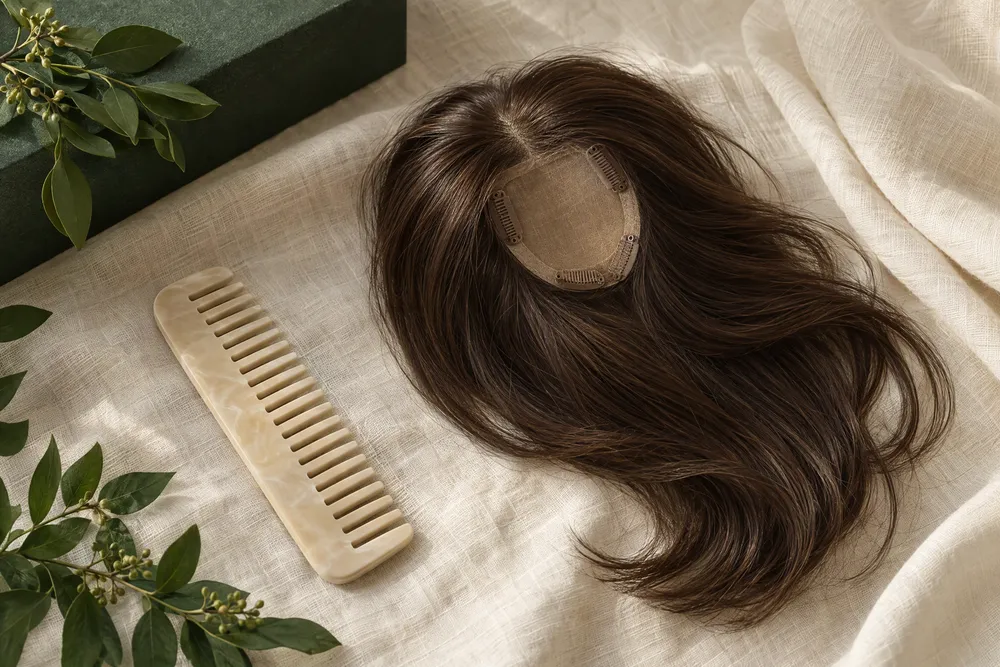
Explore a synthetic hair topper, compare fibre-care questions with human hair, and ask OWNSTRAND Wigs about styles and availability in Hong Kong.
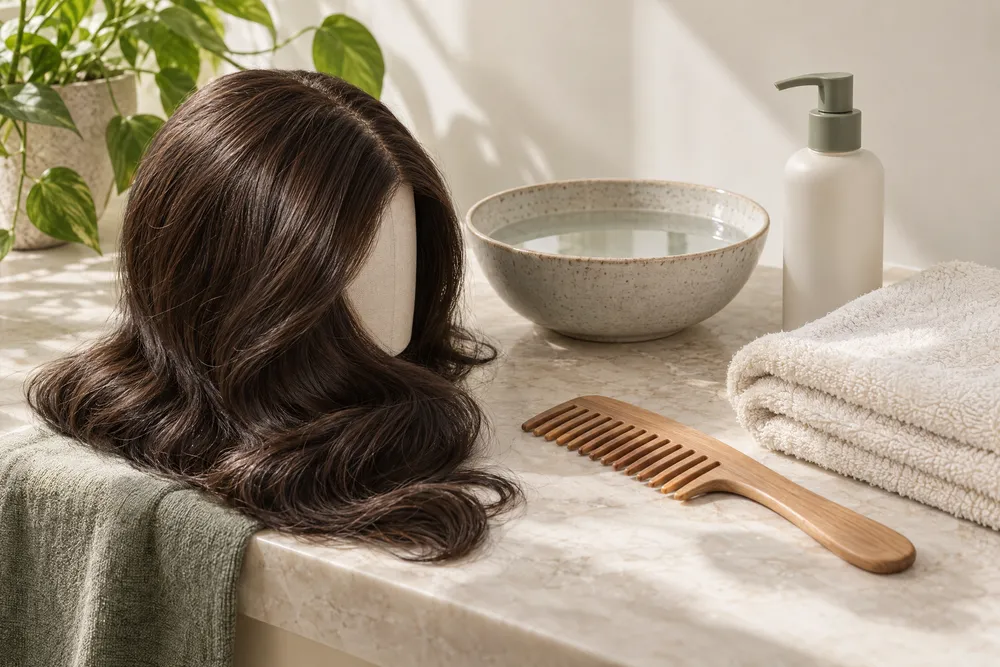
Wig frizz in humidity varies by fibre and style. Learn what to check for human-hair and synthetic wigs, and ask OWNSTRAND Wigs about care for a specific style.
Explore synthetic wigs and compare fibre options at OWNSTRAND Wigs. Learn what to check before choosing a style; WhatsApp us to ask about options.