
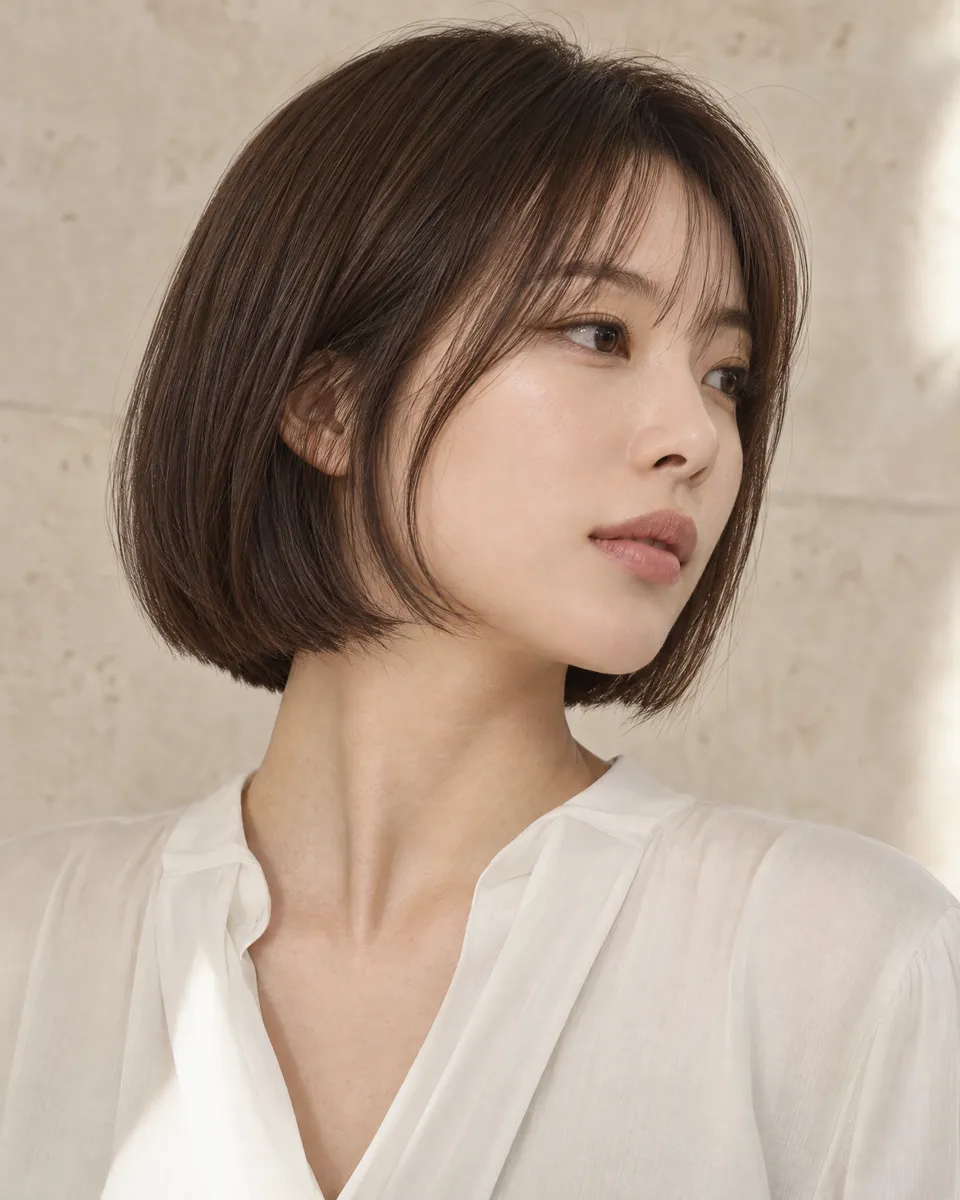


Wigs with Bangs: Compare Fringe Shapes
The fringe is only one part of the look: its length and direction work together with the sides, crown and back. Comparing the complete outline helps distinguish a compact bob, a close pixie shape and a fringe that sweeps across the forehead.
Wigs with Bangs for Bob and Pixie Silhouettes
A bob wig with bangs pairs a visible fringe with a shape that continues around the sides and back. It can read as a neat, coherent outline when the front and the rest of the cut have a similar sense of weight. When comparing bobs, look at where the ends fall, whether the sides sit close to the face or extend outward, and whether the fringe is blunt, softly textured or parted. Someone drawn to a bob may also want to compare other short wigs for differences in length and cut, rather than assuming every short style has the same fringe.
A pixie wig with bangs has a shorter overall silhouette, so even a modest fringe can noticeably change its balance. Check how much hair appears at the front relative to the crown and sides. A close, short outline may feel quite different from a pixie with a longer front section, even if both are described as pixie styles. Browse pixie wigs if you want to compare the overall cut, and consider layered wigs when you prefer a more visibly broken-up outline. These are shape comparisons, not promises about how any one wig will sit on an individual head.
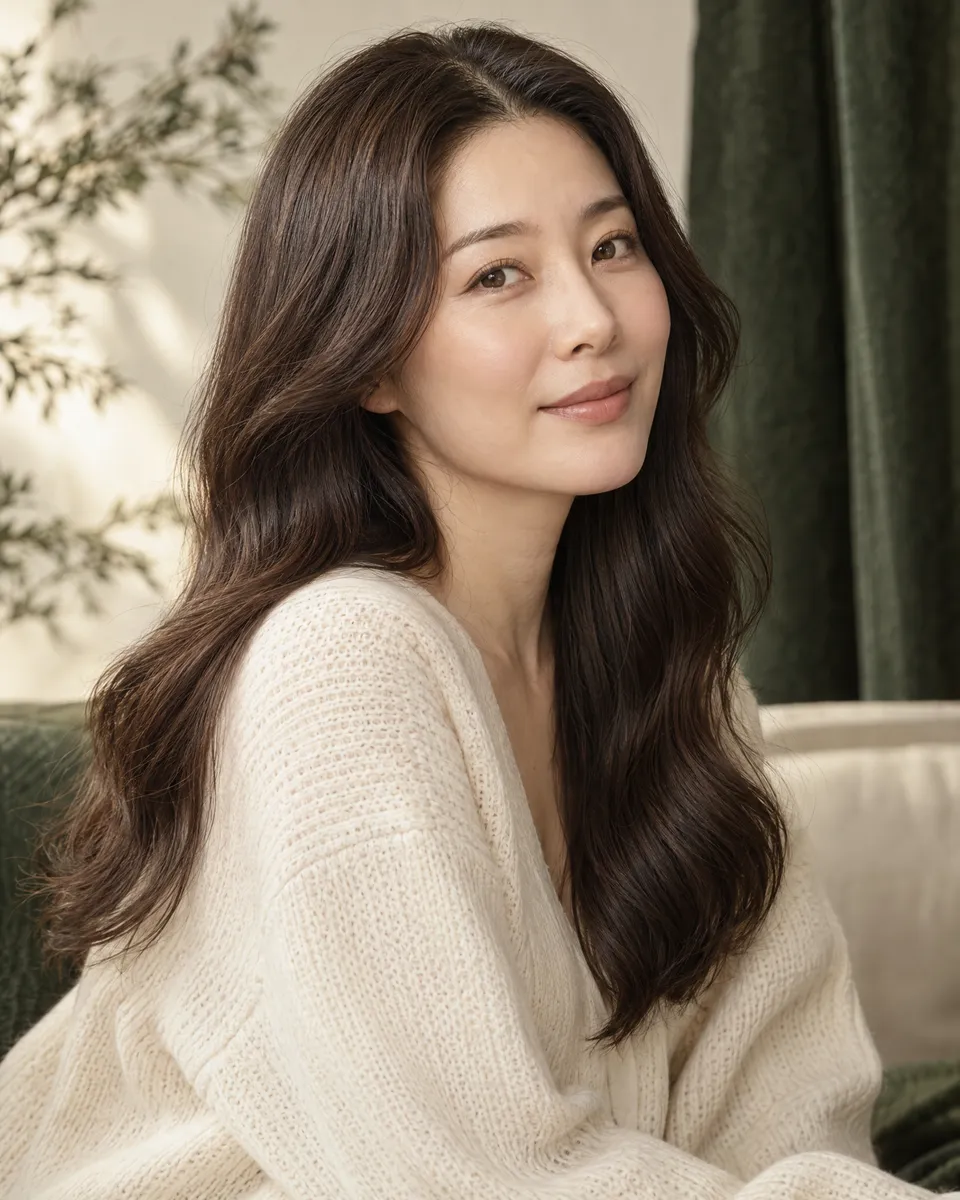
Length elsewhere can also help clarify what you mean by a fringe look. A longer style with bangs keeps more length around the shoulders or beyond, while medium length wigs give a different balance between front framing and the rest of the hair. If you are considering a longer outline, compare long wigs as well. The useful question is whether the fringe should blend into a shorter cut or stand out against a longer fall of hair.
How Side-Swept Bangs Change the Outline
A side-swept bangs wig directs the front section diagonally instead of forming a straight line across the forehead. That direction can make the parting and the visible side of the face more prominent. When viewing a style, notice where the sweep begins, which way it falls and how the fringe joins the temple area. A side-swept front may look relaxed in a picture but still have a defined direction, so consider whether that direction matches the way you prefer to part your hair.
Texture affects the impression too. A straight fringe tends to show its edge clearly; a wave can soften the line and make the front appear less uniform. Compare straight wigs with wavy wigs if finish is part of your decision, while checking the exact fringe shown for each individual option. A style name or image alone does not establish whether the hair can be restyled, what fibre it uses or what heat, if any, it can take. Confirm those details for the particular wig rather than applying assumptions from another style.

Choosing Between Bob, Pixie and Side-Swept Looks
A practical comparison starts with the whole shape, not with a claim that one fringe is universally easier or more flattering. Think about the outline you want to see in a mirror, the parting you naturally reach for and how much day-to-day adjustment you are comfortable discussing for the specific item.
Questions to Ask Before Choosing a Full Wig
Use three checks when comparing candidate styles. First, identify the silhouette: bob, pixie or a longer shape, and where its ends sit. Second, examine the fringe: straight across, softly divided or swept to one side, and how it meets the sides. Third, decide what you need to know about the individual wig before choosing—such as its exact length, fibre, cap details, colour options and care instructions. These specifications should be confirmed for that option, not inferred from a category heading or a concept image.
Parting deserves its own look. If you usually wear a centre part, a strongly side-directed fringe may feel unfamiliar; if you often move your part, ask whether the particular style is intended to be worn in one direction. Do not assume that an integrated fringe can be brushed into every shape. If you have a reference photo, describe the feature you like—perhaps the fringe length, the amount of forehead it covers or the connection to the sides—rather than relying only on a broad label such as 'natural'. This makes the comparison more precise without presuming an exact result.
Fit is another separate question from appearance. The American Cancer Society's general wig guidance notes that sizing can vary between brands, which is a reason to check the sizing information for the individual wig instead of transferring a measurement assumption from another maker. OWNSTRAND's confirmed service includes viewing samples and head measurement as part of a custom human-hair discussion; that is distinct from the specifications or availability of any catalogue style. OWNSTRAND's approach is summed up as 'Your hair. Your choice': compare what matters to you, and clarify the details before deciding.

Full-Wig Bangs or a Clip-In Fringe?
These are different kinds of choices. A full wig with fringe has the bangs as part of the overall wig style, while a clip-in fringe is a separate hairpiece intended to add a front section to hair you already wear.



| Style direction | Overall outline | What to inspect at the fringe | Useful comparison question |
|---|---|---|---|
| Bob with bangs | A short shape continuing around the sides and back | Whether the front edge and side length feel balanced | Where do the ends sit, and how does the fringe connect to them? |
| Pixie with bangs | A close, short silhouette with the front as a visible feature | The relative length of the front, crown and sides | Do I prefer a close outline or a longer front section? |
| Side-swept bangs | Can accompany short, medium or long lengths | Sweep direction, parting and how it joins the temple | Does the direction suit the parting I normally wear? |
| Full wig with fringe | A complete wig with an integrated front style | The listed style and details for that specific wig | What are its confirmed length, fibre, cap and care details? |
| Clip-in fringe | A separate front hairpiece rather than a full wig | How it is designed to attach and blend with your own hair | Am I looking for a complete wig or only a detachable fringe? |
Ask about a wig style
Tell us the style you have in mind. We can discuss the options, quotation and arrangements before you decide.
Ask about a wig styleBefore you choose
Which wig with bangs is easiest to style for an everyday look?
There is no single easiest shape for everyone. A bob gives the fringe a defined short outline, a pixie keeps the overall cut close, and a side-swept style has a clear direction to consider. Compare the parting and fringe shown, then ask about the specific wig's styling and care instructions before choosing.
Are wigs with bangs the same as clip-in bangs?
No. A wig with bangs is a full wig whose fringe is part of its overall style. Clip-in bangs are a separate hairpiece, not a complete wig. If you only want to add a front section to hair you already wear, compare clip-in bangs and check how that particular piece is designed to attach and blend.
How can I choose between a bob wig with bangs and a pixie wig with bangs?
Start with the overall length and silhouette you prefer, then compare the fringe in relation to the sides and back. A bob continues around the head as a short shape; a pixie has a closer outline. Look at the specific style and confirm its current product details rather than choosing from the name alone.
Can I wear a side-swept fringe with a different parting?
That depends on how the individual style is constructed and intended to be worn. A side-swept fringe has a direction, so check which way it falls and whether another parting is suitable for that wig. Do not assume an integrated fringe can be moved freely; ask about the specific option.
What should I confirm before choosing a full wig with fringe?
Confirm the specific style's length, fibre, cap details, colour options, sizing and care guidance, as applicable. A category image or style name is not a product specification or a stock confirmation. For an OWNSTRAND enquiry, WhatsApp +852 5933 4697 can be used to ask questions, request a quotation and confirm supply; it does not itself place an order.
Further reading
- American Cancer Society — Wigs for Hair LossSupports the general factual point that wig sizing can vary by brand; cited only to recommend checking the sizing information for the individual wig, not as an endorsement or medical suitability claim.
Still weighing up your options?
Follow a related guide to make your next decision with clearer information.
Explore long wigs by length, fibre and styling needs. Compare what to consider for daily wear, then WhatsApp OWNSTRAND to ask about styles and availability.
Explore pixie wigs for everyday styling, including short, layered and textured looks. Compare style details and ask OWNSTRAND about options in Hong Kong.
Explore layered wigs and shag wigs by cut, length and silhouette, from face-framing layers to shag-inspired shapes. Compare styles and ask OWNSTRAND about options.
Explore medium length wigs and compare mid-length and shoulder-length looks. Ask OWNSTRAND about styles and options to find a length that suits your preferences.