

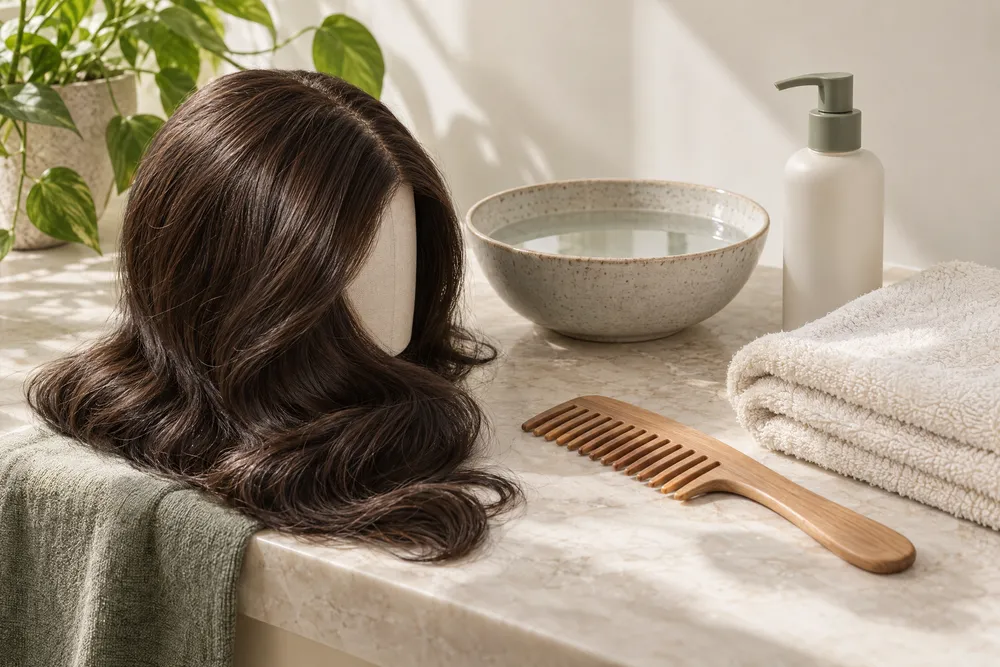
Heat-Friendly Synthetic Wigs: Browse by Style
A fibre label is only one part of choosing a wig. The style, finish, cap fit and the amount of daily restyling you expect all affect whether a particular option makes sense for you. Browse the wider range of synthetic wigs alongside heat-friendly choices, and compare actual product details rather than assuming every synthetic style behaves the same way.
Choosing Heat-Friendly Synthetic Wigs
Begin with the silhouette you want to keep: for example, a short bob, a softly layered shape or a longer style. Synthetic fibres are generally made to hold a set shape, so the original style and finish matter as much as whether the fibre can tolerate some heat. A style that already has the shape you like may need little adjustment; a heat-friendly synthetic wig may be worth comparing if you want the option of a limited change, provided the maker expressly permits the tool and method you intend to use.
Next, look at the feel and appearance in the listing, including the fibre description, length, fringe and parting. Do not infer cap construction, density, exact colour or heat performance from a concept image. If the listing is unclear, ask for the specific details available for that style. Shoppers comparing options in Hong Kong can also use the synthetic wigs Hong Kong buying guide to think through selection and purchase questions; it is a guide, not confirmation that a particular item is on hand.
Consider how much care you realistically want to do. Even where a manufacturer allows heat styling, that does not make a fibre identical to human hair or mean that frequent restyling is suitable. A heat friendly synthetic wig should be considered against its stated care routine, not against an imagined promise of unlimited styling. If you are weighing more than one material, compare human hair synthetic blend wigs as a separate fibre choice and check the information provided for each product.
Questions to Ask Before Choosing a Wig
Make the comparison practical by asking three questions. First, what will the style look like as supplied, and does that shape already suit the way you plan to wear it? Second, what exact tools or styling methods does the maker permit for this item? Third, what washing, drying, brushing and storage directions apply after wear? These checks help distinguish a genuinely useful feature from a label that says little about your particular routine.
If your interest is coverage over a smaller area rather than a full wig, a synthetic hair topper is a different product category and should be assessed on its own specifications and attachment approach. If the visible front hairline is central to your choice, read about a lace front wig too; that construction question does not establish heat tolerance. For a wider overview of material distinctions, the wig hair types guide can help frame what to compare without assuming one fibre suits everyone. Shoppers considering full-head coverage can also browse women's wigs and compare the details relevant to the style they have in mind.

Check the Maker’s Heat-Styling Guidance
Treat the maker’s care instructions as product-specific information, not fine print. Before styling, find the directions for the exact listed item and establish whether heat is allowed at all, which tools are covered and what conditions apply. If one of those points is missing, pause rather than testing the fibre by trial and error.
Why Heat Limits Vary by Style
Synthetic fibres can differ in composition, construction and finish. The label “heat-friendly” does not tell you a universal temperature or guarantee that a curling iron, straightener, heated brush or hairdryer is suitable. A permitted method for one style may not be permitted for another. For that reason, avoid applying a heat setting found online or on a different product to the wig you are considering.
Read the complete instructions before bringing a tool near the fibre. Check whether the guidance names the device, any stated limit, whether the hair should be dry, and whether there are warnings about repeated heat or particular areas. If the label or listing does not provide those details, ask the seller to check the maker’s guidance for that exact style. OWNSTRAND’s heat friendly synthetic wig care page offers a related care focus, but it cannot replace a style’s own instructions.
The American Cancer Society’s general wig guidance says not to use a hairdryer or curling iron unless the wig is heat resistant, and it advises following directions for the wig. That supports checking the exact product’s instructions; it does not establish that every heat-friendly synthetic wig can take every tool or temperature, and it is not an endorsement of any retailer or listed product.

Compare with Regular Synthetic Wigs
The useful comparison is not simply “heat-friendly is better”. It is whether the fibre’s permitted care matches the style you want and the effort you are comfortable taking on. If you prefer a ready-shaped look and do not expect to restyle it with heat, a regular synthetic wig may be the more straightforward option. If heat styling matters, choose only after verifying the directions for the individual heat-friendly style. For a closer side-by-side discussion, see regular synthetic vs heat-friendly synthetic wigs.




| What to compare | Heat-friendly synthetic | Regular synthetic |
|---|---|---|
| Heat use | Some products may permit specified heat methods; verify the exact maker’s instructions. | Do not assume heat is allowed. Check the product directions before using a heated tool. |
| Styling flexibility | Potentially offers more options within stated limits; not unrestricted restyling. | Often best approached as a style to wear in its supplied shape; product details still vary. |
| Choice priority | Useful when a specific allowed styling option matters to you. | Useful when the supplied cut and finish already suit your preference. |
| Care decision | Confirm tool, method and any stated limit before use; follow the full care label. | Follow the listed washing, drying, brushing and storage guidance; do not guess about heat. |
Ask about a listed style
Tell us the style you have in mind. We can discuss the options, quotation and arrangements before you decide.
Ask about a listed styleBefore you choose
Can I use heat tools on every heat-friendly synthetic wig?
No. Heat tolerance and permitted tools can vary by product. Check that specific style’s maker instructions before using heat, and do not assume that a tool or setting is suitable. If the instructions do not answer your question, ask for the maker’s guidance before styling.
What temperature can I use to style a heat-friendly synthetic wig?
There is no single temperature to assume for every style. Follow the maker’s stated limit for the specific product; if no limit is provided, ask before applying heat. Do not use a temperature from another wig as a substitute.
How is a heat-friendly synthetic wig different from a regular synthetic wig?
Heat-friendly identifies a synthetic-fibre category with product-specific heat guidance; it is not permission for unrestricted heat styling. Compare the care instructions for each style and consider whether you actually need the permitted styling option before choosing.
How can I check whether a listed style is available?
Send OWNSTRAND the style details on WhatsApp at +852 5933 4697 to ask about availability, request a quotation or confirm supply arrangements. A listing alone does not confirm stock, and a message does not automatically place an order.
Further reading
- American Cancer Society — Wigs for Hair LossIts general styling guidance says not to use a hairdryer or curling iron unless the wig is heat resistant and advises following the wig’s directions; cited only to support checking instructions, not as product endorsement or a universal heat specification.
Still weighing up your options?
Follow a related guide to make your next decision with clearer information.
Explore synthetic wigs Hong Kong with a practical guide to comparing fibre, cap details and suitability. Ask OWNSTRAND about a style before visiting.

Explore human hair synthetic blend wigs and compare fibre considerations. Confirm each style’s materials and availability with OWNSTRAND Wigs before enquiring.
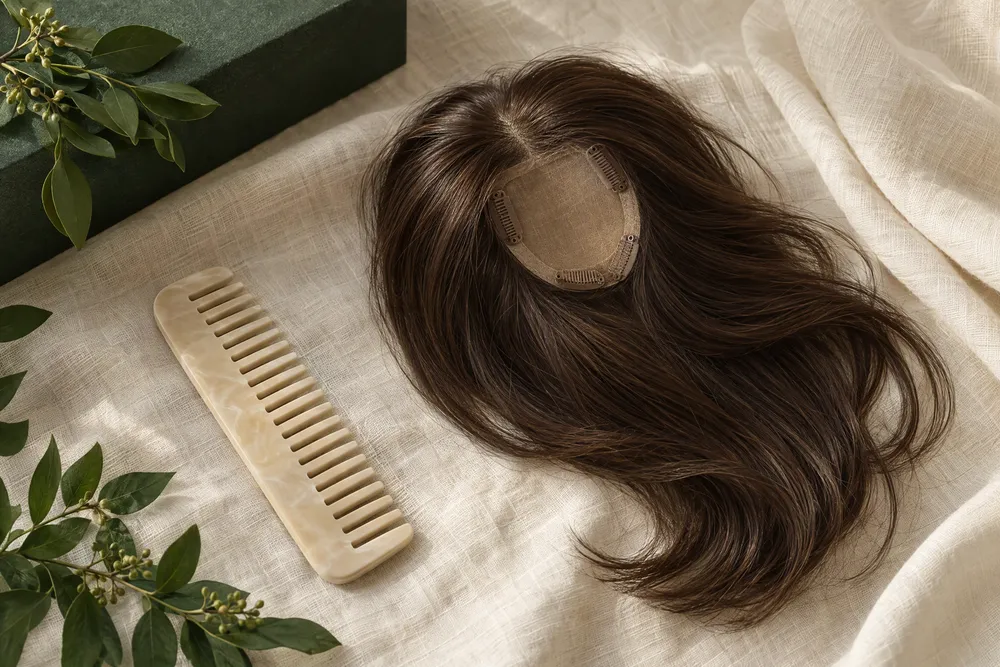
Explore a synthetic hair topper, compare fibre-care questions with human hair, and ask OWNSTRAND Wigs about styles and availability in Hong Kong.
Explore what a lace front wig is and compare its hairline construction with other cap styles. Ask OWNSTRAND Wigs in Hong Kong about options; details vary by style.