

Start with a repeatable comfort check
A useful check separates appearance, fit and day-to-day sensation. Do it in a familiar indoor setting first, with the same hairstyle or head condition that you expect to have when wearing the item. This creates a comparison between options, not a health assessment.
Record the moment and the location, not a vague verdict
Before putting anything on, write the date, approximate indoor temperature, how long you expect to wear it and whether you are sitting, walking or travelling. Then use a simple head map: hairline, temples, above each ear, crown, nape and any area under a band. After wearing it, note whether a feeling was immediate, appeared after movement or built up with time. “Left ear after glasses were added” is more useful than “uncomfortable.”
Keep the wording observational. You might write “edge presses when I look down,” “warm at the nape after ten minutes,” or “cap stays still but the front lifts when I smile.” A mirror can show an edge or a shifted parting, but it cannot establish the cause of soreness, itching or skin change. If a concern persists or worries you, pause the experiment and seek appropriate healthcare advice rather than treating the checklist as medical guidance.
- Use one scale throughout: comfortable, noticeable, distracting, or stop-and-check.
- Mark the exact contact zone before changing straps, clips or an underlayer.
- Write down the wearing context, including glasses, a mask, travel or a warm room.
- Compare the same activity for each option instead of relying on a first impression.
Set up light, movement and notes before comparing
Set up an ordinary test, not a performance in ideal lighting. A mirror, a phone camera without a beauty filter, a chair and a small notes page are enough. The goal is to make later observations comparable and easy to explain.
Use a short sequence that includes your normal motions
Look straight ahead, turn each way, nod, look down as if reading and lift your arms as if reaching for a shelf. If you normally wear glasses, put them on after the wig or headwear is settled. Then photograph the front, each side and back only to remember placement. Do not use the images to judge skin condition or promise that an item will remain in place during every activity.
For a wig, note how the front edge, ear area and nape look after the sequence. For a hat, scarf or turban, note whether the fabric twists, covers the intended area and leaves space where you prefer it. The American Cancer Society’s hair-loss and headwear guide presents head measurements as circumference, front-to-back and side-to-side; those dimensions are a practical prompt to discuss fit, not a substitute for checking a specific item.
| Stage | What to observe | What to write down |
|---|---|---|
| Before wearing | Hair condition, accessories and intended activity | “Glasses on; 30-minute indoor errand” |
| First minute | Front edge, ear contact, crown and nape | “Nape neutral; right temple noticeable” |
| After movement | Shift, lift, twisting or change in pressure | “Parting stable after looking down” |
| After time | Warmth, dampness, distraction and removal ease | “Warm after 20 minutes; easy to remove” |
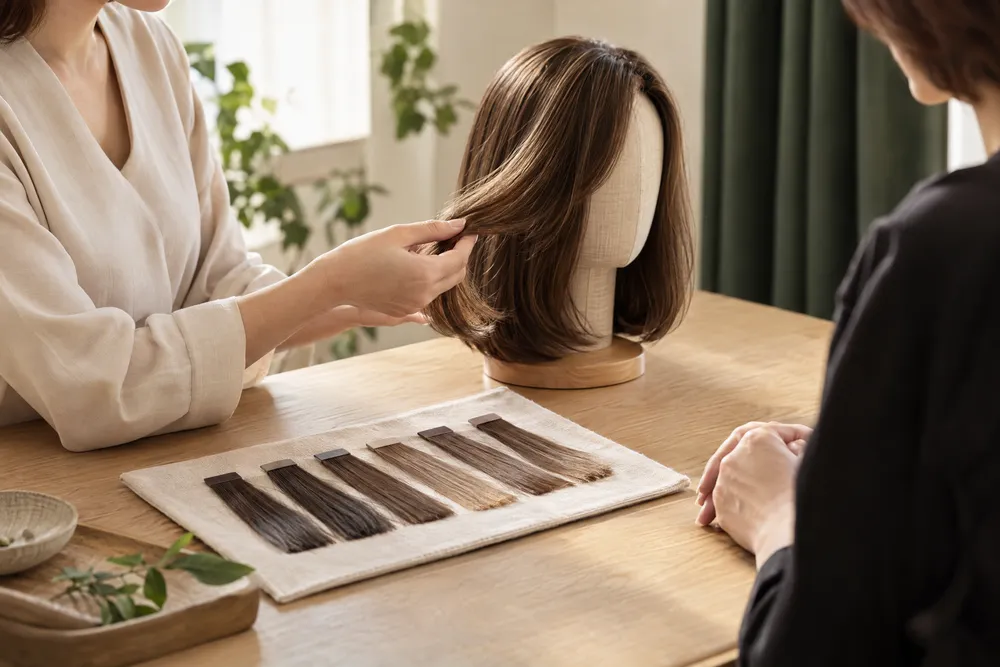
Check contact, fit and underlayers separately
Pressure, friction, warmth and security can influence one another, but they are not the same issue. Start by noting the contact area. Only then consider whether adjustment, construction or a separate underlayer is the relevant question.
Ask what changed before adding more hold
If the item moves, first ask whether the overall size, the position, the hair underneath or the day’s activity changed. If an edge feels noticeable, identify whether it happens at the hairline, temple, ear or nape. Cancer Hair Care describes a wig cap as a separate fine, elasticated fabric layer and notes that comfort and security often involve trial and adjustment rather than a single universal solution. Its good-fit guidance also lists adjustable straps and several accessories, so it is sensible to ask which features are designed for the particular cap rather than assuming every method suits every item.
An underlayer is not automatically an improvement. Try it only as one clear comparison: same wig, same short sequence, with and without the layer. Write whether it changes movement, warmth or the feel at a specific edge. When you want to compare accessory types and wording before an enquiry, the overview of wig caps and liners can help you frame the conversation around an underlayer rather than making a broad claim that a cap will solve comfort.
- Do not tighten or add an accessory before recording the original fit.
- Test one adjustment at a time so the result has a clear meaning.
- Include glasses, earrings or hearing devices if they are part of daily wear.
- If tape or glue is being considered, confirm the product-specific wearing and removal directions first.
Compare a wig and headwear by use context
A wig, soft hat, scarf or turban can each be suitable for different moments. Compare them against the activity you actually need to cover, rather than treating one category as automatically more comfortable or more secure than another.
Match the question to the routine, not to the label
For a short indoor visit, you may care most about how quickly the item settles and how it feels with glasses. For a longer journey, you may care about warmth, shifting and whether you can make a discreet visual check. For a private rest period, ask a different question again. The product category does not decide these answers; fit, construction, wear duration and your own movement all matter.
If treatment-related hair loss is part of your situation, keep this article’s role non-medical: use the notes to describe comfort preferences and bring treatment concerns to your care team. The American Cancer Society lists hats, scarves and turbans as alternatives for people who do not want to wear a wig, and advises attention to size, adjustable fit and soft linings in its headwear section. You can browse chemo hats to compare headwear directions, but do not assume one fabric or style will be appropriate for everyone.
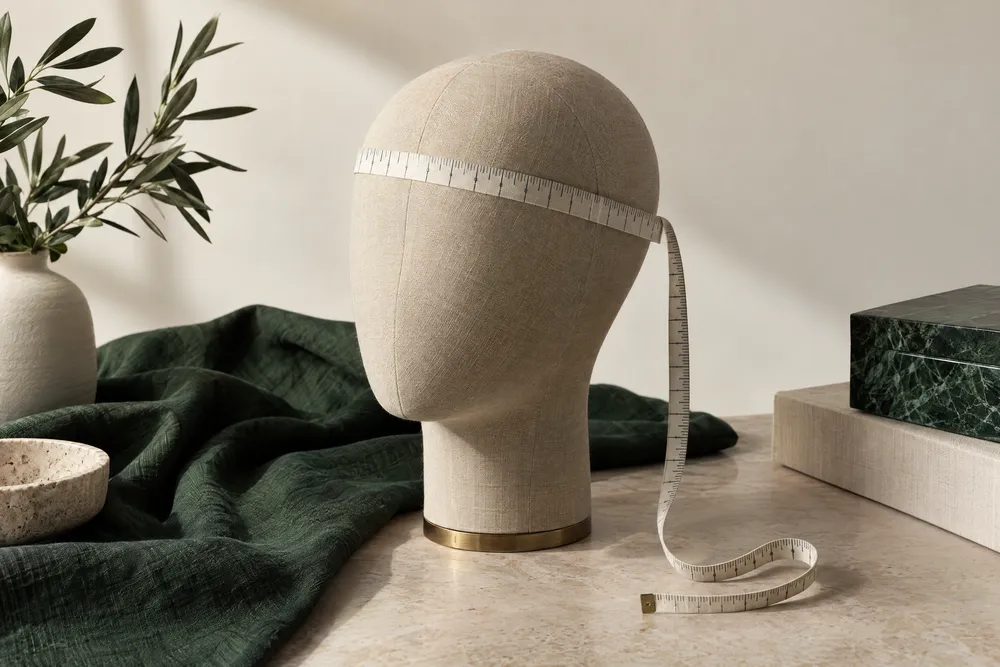
Turn observations into clear selection questions
Bring the shortest useful record: one or two unfiltered placement photos, the four-stage note and your top two priorities. Ask for confirmation about the actual option you are considering, because construction and care directions can differ between pieces.
Use questions that invite a checkable answer
Instead of asking for a general guarantee of comfort, ask: “Which part of this cap contacts the nape and temples?” “What adjustment can be made after I try my normal glasses?” “Would an underlayer change the available space?” and “What should I check at the fitting before deciding?” These questions ask for observable details and leave room for an honest “please confirm for this piece.” If you are exploring a made-to-order route, ask about custom wig lead time Hong Kong early so your fitting, changes and required date can be discussed without assuming a universal turnaround.
Use appearance photos as a communication aid, not a promise. The Cancer Research UK page on where to get wigs, hats and scarves specifically advises checking a seller’s return policy before buying an untried wig online. That is a sensible prompt to ask what can be checked before any alteration. For a comfort-focused starting point related to hair loss during treatment, wig for sensitive scalp during chemotherapy offers a more focused internal reading route.
- My priority is less pressure at the ear, less warmth at the nape, or less movement at the front—what can this specific option address?
- Which measurement or placement should I recheck if my short trial changes after ordinary movement?
- What care, fitting or accessory point should be confirmed for this exact construction?
- What can be assessed before I alter, trim or commit to the item?
Separate daytime wear, care and stop points
A daytime fit check does not answer every care question. Sleeping, showering, vigorous activity and any adhesive each add conditions that should be checked against the exact product guidance rather than folded into a general comfort verdict.
Keep a small decision list for situations that change the rules
Ask whether the item is intended for the activity before trying to make it work through extra tightening or extra products. For example, daytime notes do not decide can you sleep in a wig, and a dry fitting does not decide can you shower with a wig on. Read the item-specific directions and ask about the exact construction, because a general statement about one wig cannot safely transfer to every wig or headwear piece.
Adhesive needs its own record. Note the product name, the skin area involved, the timing and what happens on removal; do not mix it into a first cap-fit trial. For more detailed questions to raise before using an attachment method, see wig adhesive skin irritation. If you would like to compare a band, cap, liner or other add-on by its role in your notes, start with wig accessories Hong Kong and ask how it interacts with the specific piece you are considering.
- Stop and seek appropriate advice for persistent or concerning scalp symptoms; this checklist is not a diagnosis tool.
- Keep sleep, shower and adhesive questions on separate lines of the note.
- Use the supplied care directions for the exact item rather than copying a rule from another construction.
- At the next enquiry, bring the one observation you most want checked in person.

| Observation | What it may help you compare | A practical next question |
|---|---|---|
| Front edge changes after looking down | Placement and movement during a familiar task | Can this position be checked after my normal movement sequence? |
| Warmth builds at the nape | Wear duration, room conditions and underlayer effect | Should I compare this with and without the liner for the same interval? |
| Pressure appears near glasses | Order of wearing and space at the ear | What should I try first with my regular glasses in place? |
| The piece feels secure but distracting | Security versus contact sensation | Which contact zone should we inspect before adding more hold? |
| A scarf or hat twists during movement | Tie, size and activity context | Which adjustment can I check without changing the whole style? |
Ask OWNSTRAND on WhatsApp
Tell us the style you have in mind. We can discuss the options, quotation and arrangements before you decide.
Ask OWNSTRAND on WhatsAppBefore you choose
How long should I wear an option for this checklist?
Start with a short, planned interval that includes your normal movements. Record when a sensation first appears, then compare the same interval across options. There is no universal time that proves an item is comfortable for every person or activity.
Can a photo tell me whether a wig or hat will feel comfortable?
No. Photos are useful for recording placement, visible shifting and the areas you want to discuss. They cannot determine the cause of itchiness, soreness or a skin change, and they do not replace an in-person fit check or healthcare advice where needed.
Should I solve movement by using tighter straps, tape or glue?
First record the original movement and ask what caused it for the specific piece. Adjustments and attachment methods have different instructions and may not suit every construction or situation. Confirm product-specific fitting, wear and removal guidance before making a change.
Further reading
- Cancer Hair Care: Getting a good fitSupports the distinction between secure fit and comfort, the description of a wig cap as a separate underlayer, and the need for trial and adjustment when considering accessories.
- American Cancer Society: How to Manage Hair LossSupports the use of circumference, front-to-back and side-to-side fit measurements and the discussion of adjustable headwear, soft linings and wigs, scarves and hats as head-covering options.
- Cancer Research UK: Where to get wigs, hats and scarvesSupports the recommendation to check an online seller’s return policy before buying a wig without trying it on.