


Choosing a wig or scarf for hair loss
Start with the look you would like to see in the mirror, then check what each option covers and how you would use it. A wig, scarf and hat solve different styling preferences; you do not need to choose a wig simply because hair loss is the reason you are looking.
Compare a wig or scarf for hair loss by coverage
A wig places a hair-style outline over the head, so it may be the closer match if your aim is to maintain a recognisable hairstyle or try a different one. It also asks you to consider details that a scarf or hat does not: the hair length and shape, the way the hairline appears, the colour in the light where you will wear it, and how the fit feels when you move. Synthetic and human-hair options can differ in styling and care, so compare the actual item details rather than assuming that one fibre is right for everyone. See this comparison of synthetic wigs for cancer patients if you are weighing wig materials as a next step.
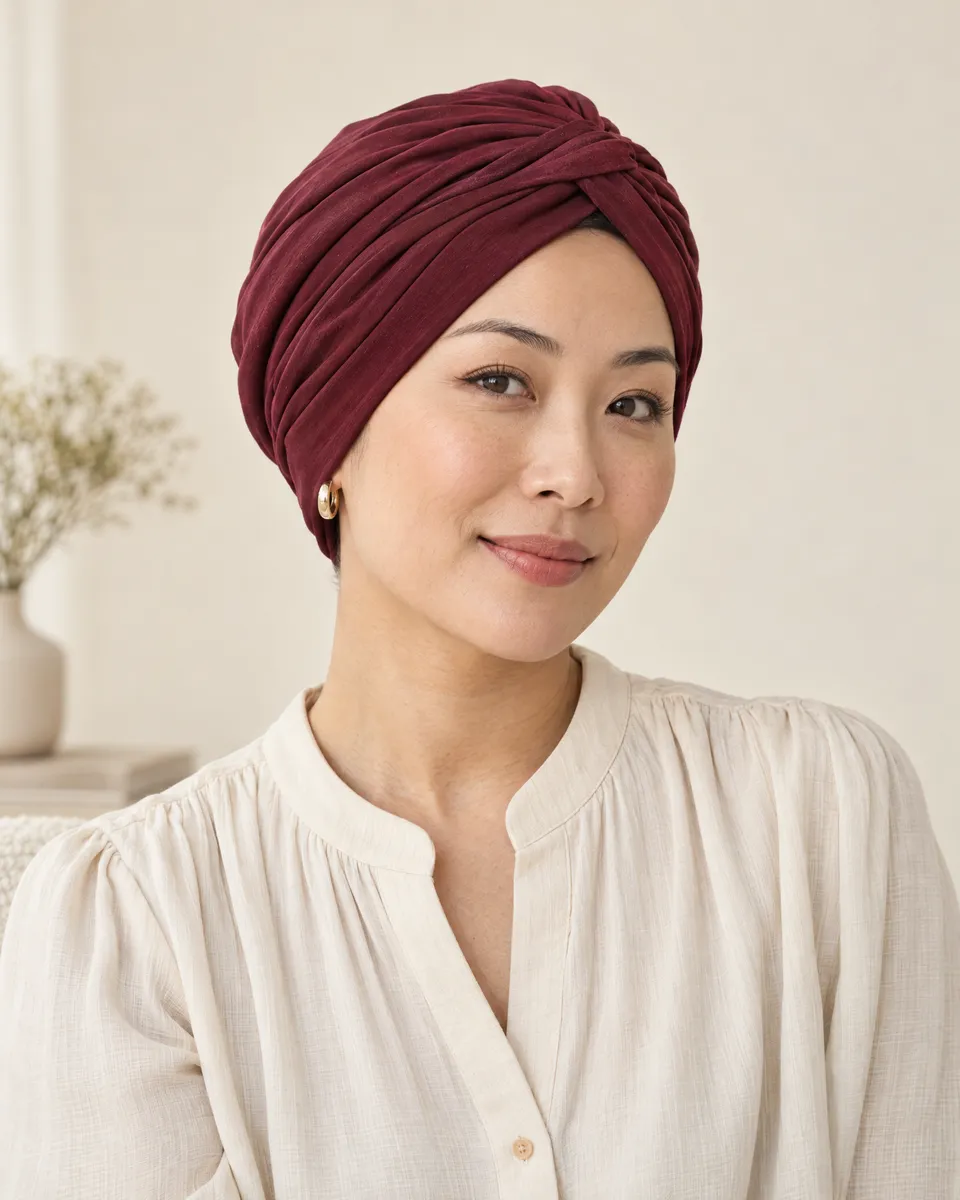
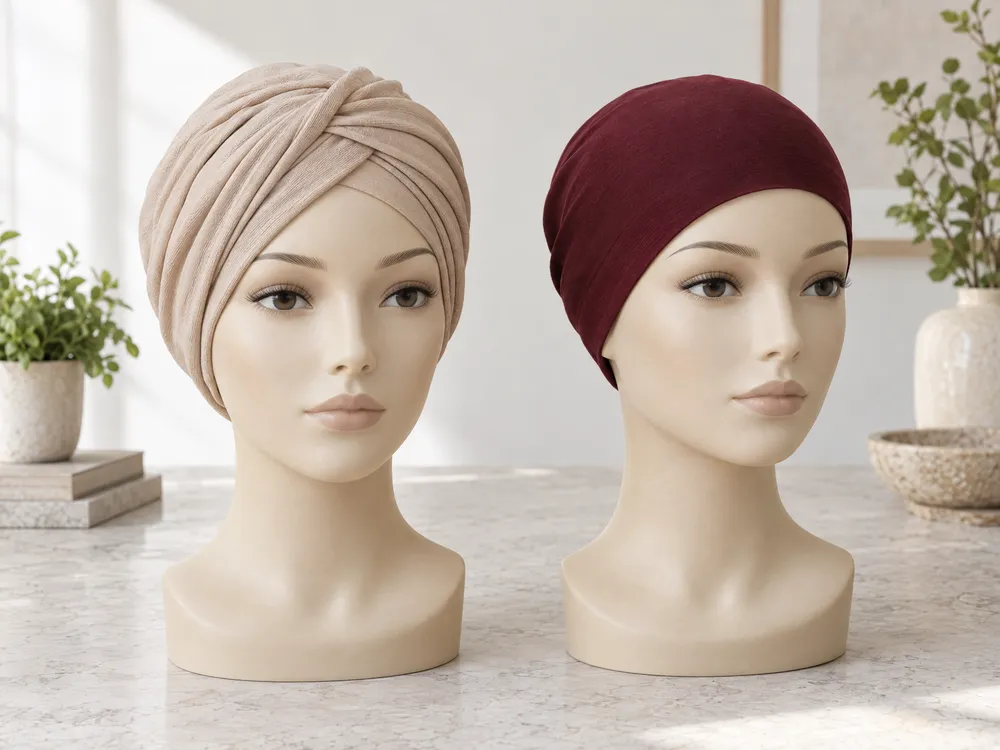
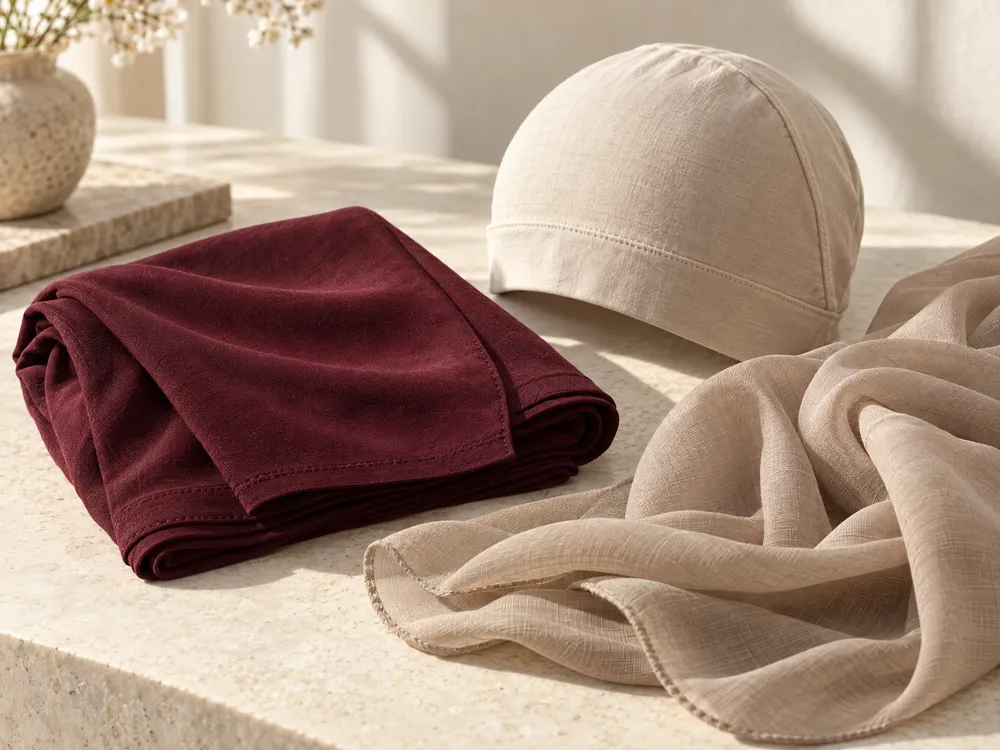
A scarf can be tied or arranged to create a fabric-covered look; a hat gives a more defined hat-shaped outline. Both are alternatives to wigs for cancer hair loss when a person prefers non-wig headwear, but the result depends on the particular wrap, hat, fabric and way it is worn. Do not assume every scarf gives full coverage or that every hat covers the same areas. Check the outline from the front and sides, and consider whether you want hair-like styling, a simple covered shape or a headwear look that complements your clothes. For dedicated options and styling considerations, see headscarves for chemotherapy.
Coverage is personal, not a rating of which option is better. If you are unsure, describe the outline you want in ordinary terms: for example, whether you want a hair-style appearance or a fabric or hat silhouette, whether you want the ears and neckline covered, and whether you want to be able to change the look during the day. Those are comparison questions, not medical recommendations. If the choice concerns a child, involve the child in age-appropriate decisions and focus on their expressed preferences; our guide to wigs for children with cancer hair loss discusses that family context separately.

How wigs, scarves and hats differ in coverage and styling
A useful comparison goes beyond the item name. Think about the silhouette you want, how much styling you expect to do, and whether the item fits your usual day. The table below gives practical points to check rather than claiming that one format will suit every wearer.
Consider styling and everyday routines
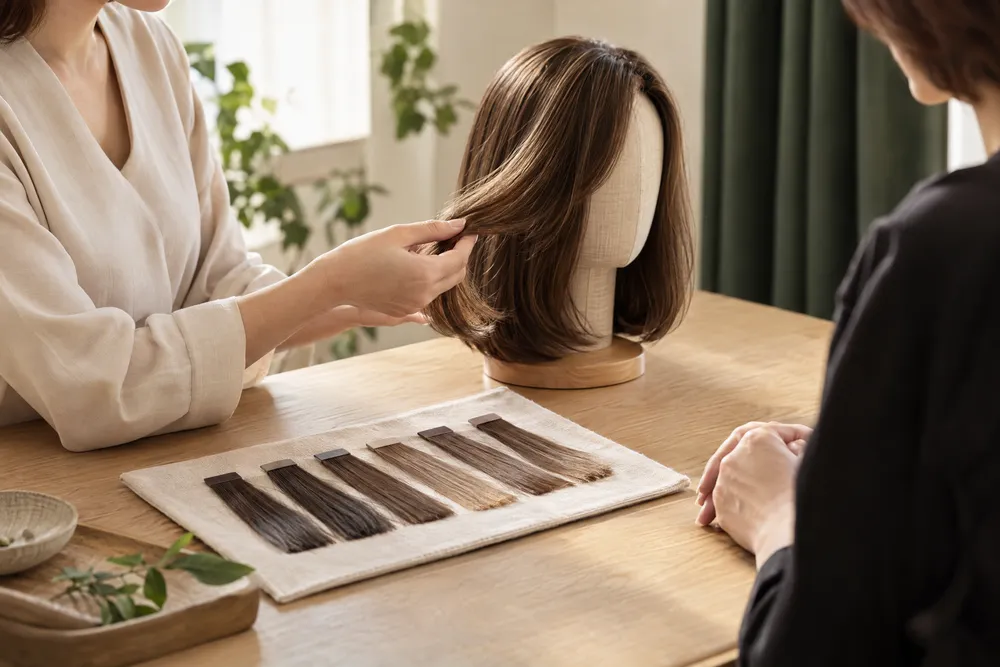
A wig may feel familiar if you want the appearance of styled hair, but it involves choosing a shape and learning how to wear and care for that particular piece. Ready-made and custom routes are not interchangeable: one starts with a selected existing design, while custom work involves discussing a made-to-measure result. Read about custom vs ready-made wigs if you are considering a wig and need to compare those routes. OWNSTRAND's confirmed custom human-hair enquiries can include viewing samples, head measurement and a return fitting with washing, cutting and blow-drying. These are service details to discuss for an individual enquiry, not a claim that a wig is the right choice over a scarf or hat.
A scarf or hat can be appealing if you prefer a non-hair look or want to coordinate headwear with clothing. A scarf may require learning a wrap or tie that stays the way you prefer; a hat may be simpler to put on, but the fit and coverage still depend on its shape. Neither description guarantees that an item will stay in place or feel comfortable in a particular activity. Consider whether you would like to practise arranging it at home, carry a second option, or have a trusted person help you compare the look. For chemotherapy-related appearance choices, the chemotherapy wigs page provides a more focused starting point if you are specifically considering wigs.
For a wig, take note of what product instructions say about care and styling; do not infer heat tolerance or washing directions from fibre labels alone. For scarves and hats, consider the fabric and the way seams or edges sit against your head, without assuming that a material is suitable for sensitive skin. If you are planning ahead of treatment, our wig before chemotherapy guide can help structure appearance-related questions. Our guide to a wig for sensitive scalp during chemotherapy discusses that specific selection concern; for personal scalp concerns, ask your healthcare team, as a general guide cannot assess an individual skin condition.
Questions to consider before choosing headwear
Before settling on a wig, scarf or hat, picture an ordinary day rather than an idealised occasion. A short list of practical questions can make comparisons clearer and help you ask for relevant details without being pushed towards a single format.
Ask about headwear choices before deciding
First, decide which appearance you actually want: a hairstyle, a fabric wrap, a hat, or more than one option for different occasions. Then check coverage and fit on the wearer, not just on a screen. Finally, ask what upkeep or styling is expected and whether the specific product has written care instructions. These three checks—look, coverage and routine—are more useful than comparing broad labels alone.
If a wig seems right, narrow the choice by the hairstyle, colour impression and construction that matter to you. A grey-hair proportion can be part of a custom style discussion; it is not a feature to assume from a catalogue image. Learn more about custom wig grey percentage if that detail is important. For a local custom enquiry, OWNSTRAND's listed reference prices are HK$2,780 for 遞針旋 (turning-point simulated scalp), HK$3,280 for 全遞針 (full simulated scalp) and HK$5,680 for 瑞士網 (front-hairline emphasis); these are local construction descriptions, not direct equivalents of foreign cap terms. Handmade production is about 3–5 working days, subject to confirming the specific enquiry and arrangements. It is useful context only when you are comparing a custom wig with other choices; it is not a price comparison with hats or scarves.
If you want to discuss an in-person custom wig enquiry, OWNSTRAND's only confirmed address is Unit 2103, 50 Hoi Yuen Road, Kwun Tong, Hong Kong (利寶時中心). You can also read about custom wig salon vs online Hong Kong when deciding how you would prefer to begin. WhatsApp +852 5933 4697 is for enquiries, quotations and confirming supply; sending a message does not itself place an order. For any format, ask what is known about the particular item before deciding. A general online description cannot confirm stock, delivery arrangements or suitability for your personal needs.


| Option | Appearance and coverage to compare | Routine questions to ask |
|---|---|---|
| Wig | Creates a hair-style outline; check the shape, hairline and the areas covered by that specific piece. | What styling and care does this wig require, and how does its fit feel when worn? |
| Scarf | Creates a fabric-covered look; coverage and outline vary with the scarf and how it is tied or arranged. | Would you like to practise a wrap, and does the fabric sit the way you prefer? |
| Hat | Creates a hat-shaped outline; brim, crown and coverage depend on the particular design. | Does its shape give the coverage and look you want, and is it practical for your usual routine? |
Ask about headwear options on WhatsApp
Tell us the style you have in mind. We can discuss the options, quotation and arrangements before you decide.
Ask about headwear options on WhatsAppBefore you choose
How does a wig differ from a scarf or hat for hair loss?
A wig provides the appearance of a hairstyle. A scarf or hat is non-wig headwear and creates a fabric or hat-shaped look instead. Compare the outline and coverage you want, then consider the particular item's fit and routine; there is no universal best choice.
Is a scarf or wig better during chemotherapy?
There is no single best option for everyone. This is a general appearance comparison, not medical advice, and it cannot assess personal comfort, skin or care needs. For treatment-related or individual care questions, follow guidance from your healthcare team; you can compare headwear according to your own preferences.
Can I consider a hat instead of a wig after hair loss?
Yes, a hat is another headwear option to consider. Check its particular outline and coverage against what you want, and think about when you would wear it. Whether it suits your preferred look and routine is a personal decision.
What should I compare when choosing headwear?
Compare three things: the appearance you want, the coverage provided by the specific item, and its everyday styling or care routine. If you are considering a wig, ask about that wig's details rather than assuming specifications; if you are considering a scarf or hat, judge its actual shape and fit.
Further reading
- American Cancer Society — Choosing and Wearing a WigSupports the general factual statement that wigs, scarves and hats are among the appearance options people may consider to cover hair loss. It is general guidance only and is not an endorsement of OWNSTRAND or a claim that a particular item suits every person.
Still weighing up your options?
Follow a related guide to make your next decision with clearer information.
Explore chemotherapy wigs and cancer wigs for appearance-focused hair-loss choices. Ask OWNSTRAND about styles, consultation and Kwun Tong arrangements.
Planning a wig before chemotherapy? Explore how to compare style, colour, fit and care in advance, then ask OWNSTRAND about options and appointment arrangements.

A wig for sensitive scalp during chemotherapy calls for careful attention to lining, seams and fit. Compare comfort points and ask OWNSTRAND about suitable options.
Compare custom vs ready-made wigs by fit, choice, process and questions to ask before buying. Contact OWNSTRAND to discuss options and availability in Hong Kong.