

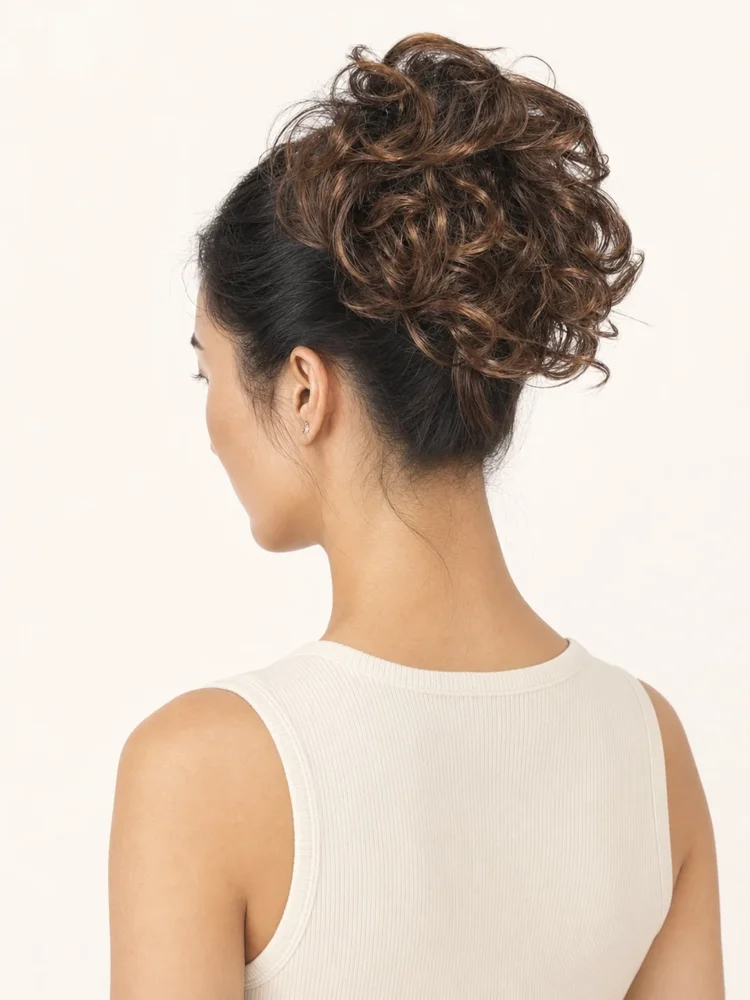
Clip-In Ponytail Extension Attachment Options
Attachment affects how a ponytail hairpiece is positioned and how much of your own tied hair it covers. Check the closure and fitting description, not just the silhouette in an image. Consider whether you prefer a clip, wrapped finish or drawstring-style fastening; the specific item's construction should be stated.
How a Clip-In Ponytail Extension Attaches
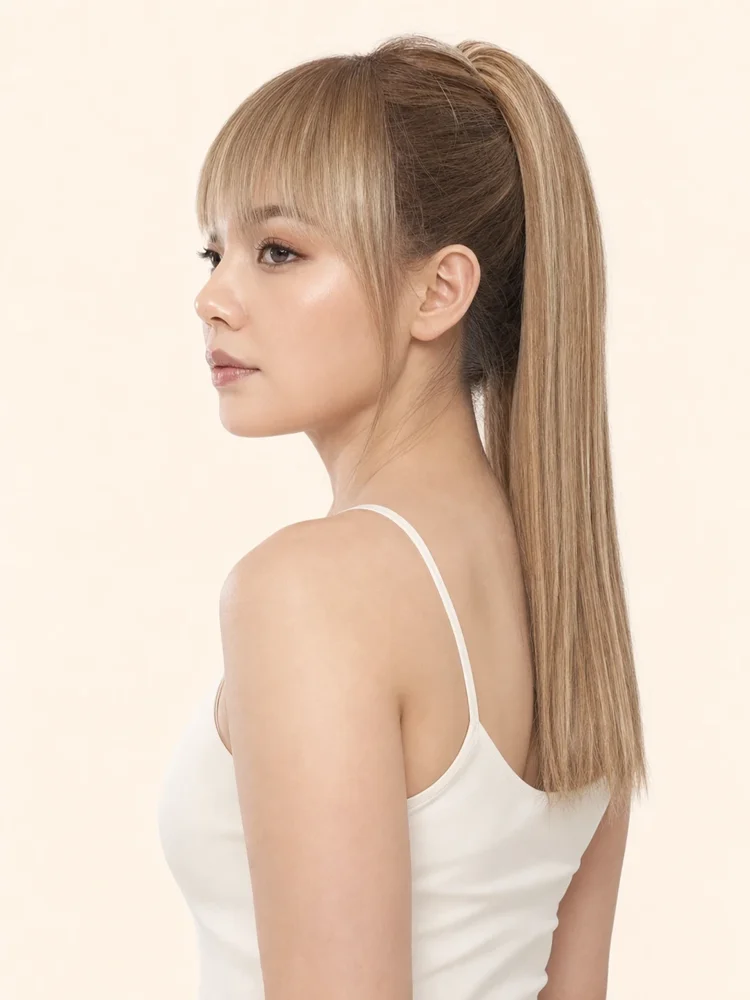
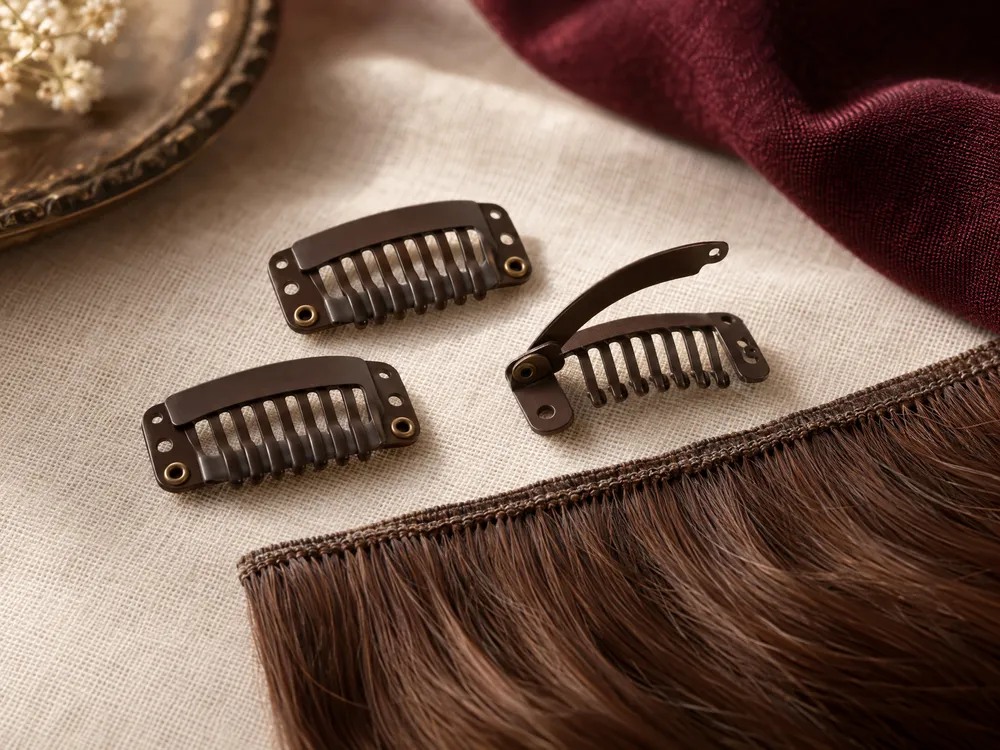
A clip-in ponytail usually relies on a clip or comb-like attachment near your own ponytail, though designs vary. Check where to position it, whether your hair should first be tied, and how it is secured. Clip size and grip can differ; fine, thick, short or layered hair may affect how it sits and how much hair anchors it.
Picture the fitting steps: gather your hair, secure it as directed, attach the piece, then check the base from the sides and back. Follow the maker's removal instructions rather than forcing a clip or pulling at hair. If the fitting method is unclear, ask about that item. A clip-in hair topper covers a different area, so its placement is not the same as a ponytail piece.
Clip-On, Wrap-Around and Drawstring Styles
The terms are useful clues, not universal technical standards. A clip-on ponytail suggests a clip; a wrap-around ponytail extension has a section intended to pass around your own ponytail base; a drawstring ponytail extension is described as using a drawstring-style fastening. Check the actual steps and closure instead of relying on the title alone.
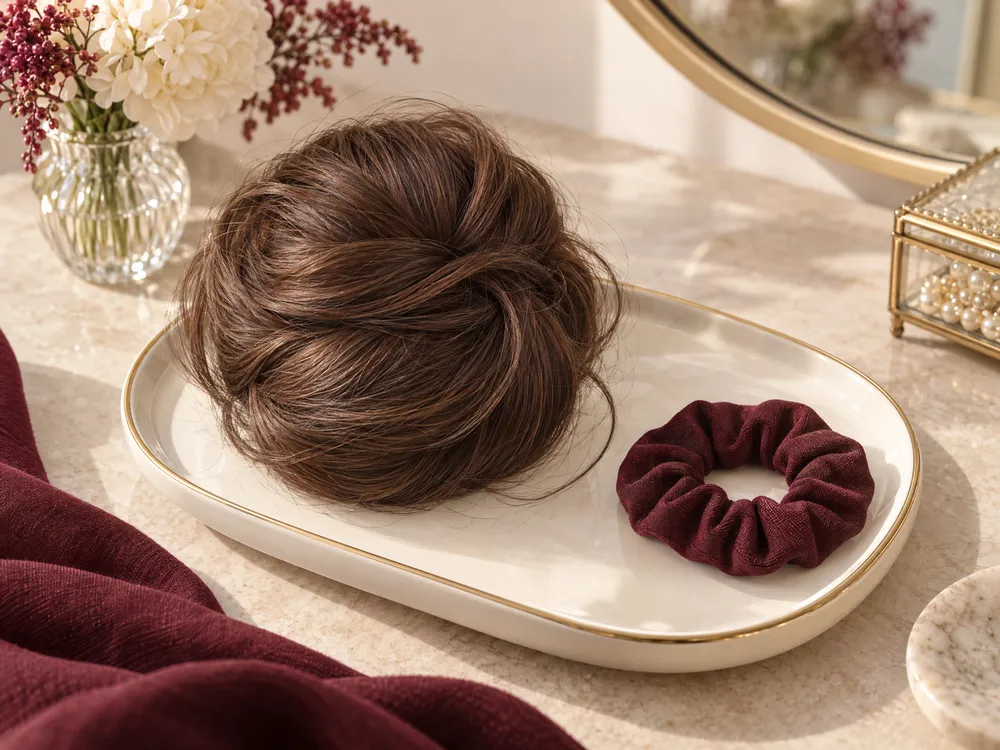
Consider the finish you want: a wrap may cover the base, a clip offers a direct attachment, and a drawstring is a different way to secure the piece. These are comparison points, not promises about comfort or suitability. A scrunchie hairpiece adds hair around a tied style in a distinct form. For a face-framing change, clip-in bangs serve a different purpose from extending a ponytail.
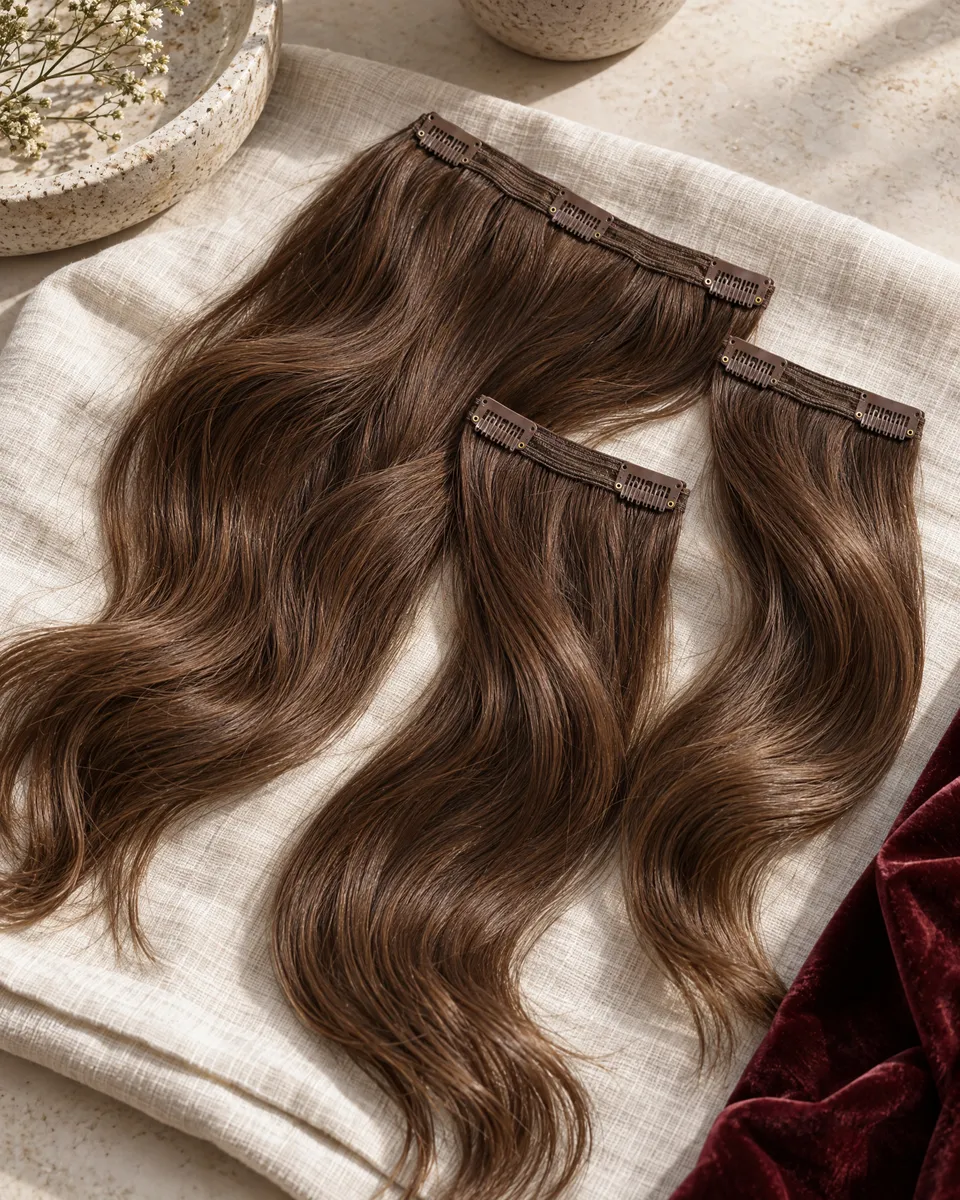
Choosing a Ponytail Hairpiece Style
Compare the piece with the hair you will wear it alongside, rather than choosing by length alone. Check 4 details—material, texture, colour and shape—then consider whether you want a sleek, wavy or fuller outline and whether care instructions suit your routine.
Synthetic or Human Hair: Check the Specific Listing
A synthetic ponytail hairpiece and a human hair ponytail extension may differ in appearance, handling and care, but check the material for the exact item. Do not infer fibre from a photograph or category. Read care and heat-styling instructions before using tools. The American Cancer Society's general wig guidance notes that choosing colour in natural light and using your own hair as a reference can help comparison; this is not a match guarantee or seller recommendation.
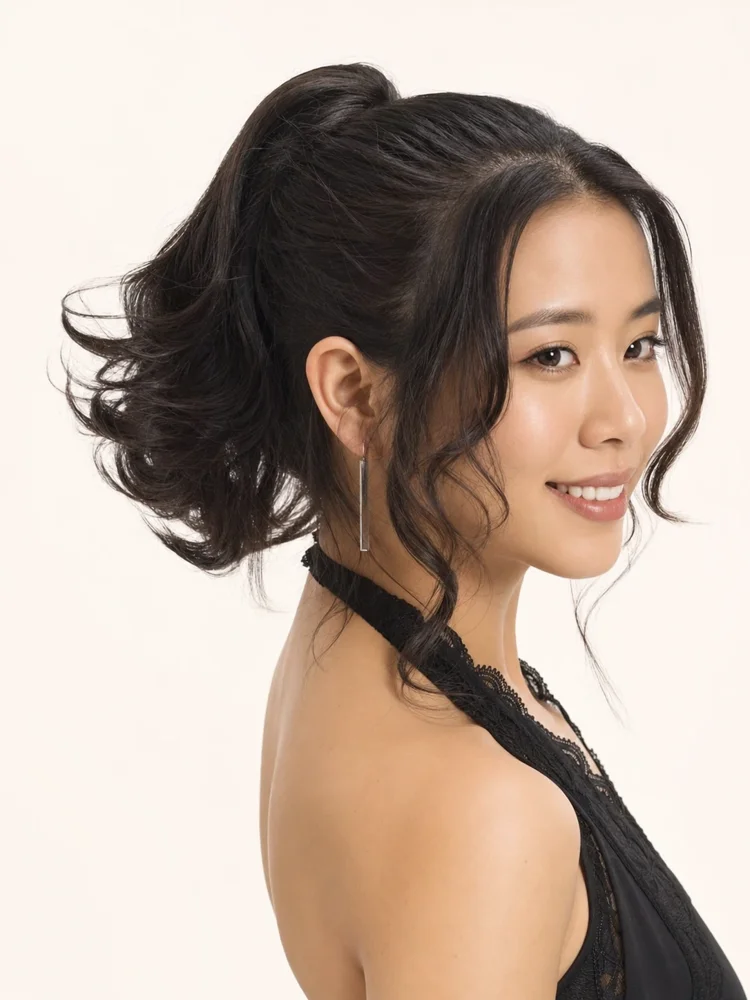
Compare texture as carefully as colour: straight, wavy, curly or coiled hair may look different when tied back. A contrast can be a deliberate style choice, but may look less blended if you want a close match. A synthetic hair topper offers a separate fibre comparison; human hair wigs for men describe another product category, not the material of a ponytail item.
Judge length and volume together. Consider where the ends fall against your shoulders and whether the added outline suits your proportions. For broader inspiration, short wigs and long wigs illustrate how length changes a silhouette, although neither is constructed like a ponytail hairpiece.
For a close everyday look, compare the whole piece in consistent lighting, from its base through the ends. Screen colours can vary, so note the stated shade and ask about that exact style if uncertain. OWNSTRAND's private Kwun Tong salon provides sample viewing and handmade custom human-hair wig enquiries; those are distinct from a ready-made ponytail listing.
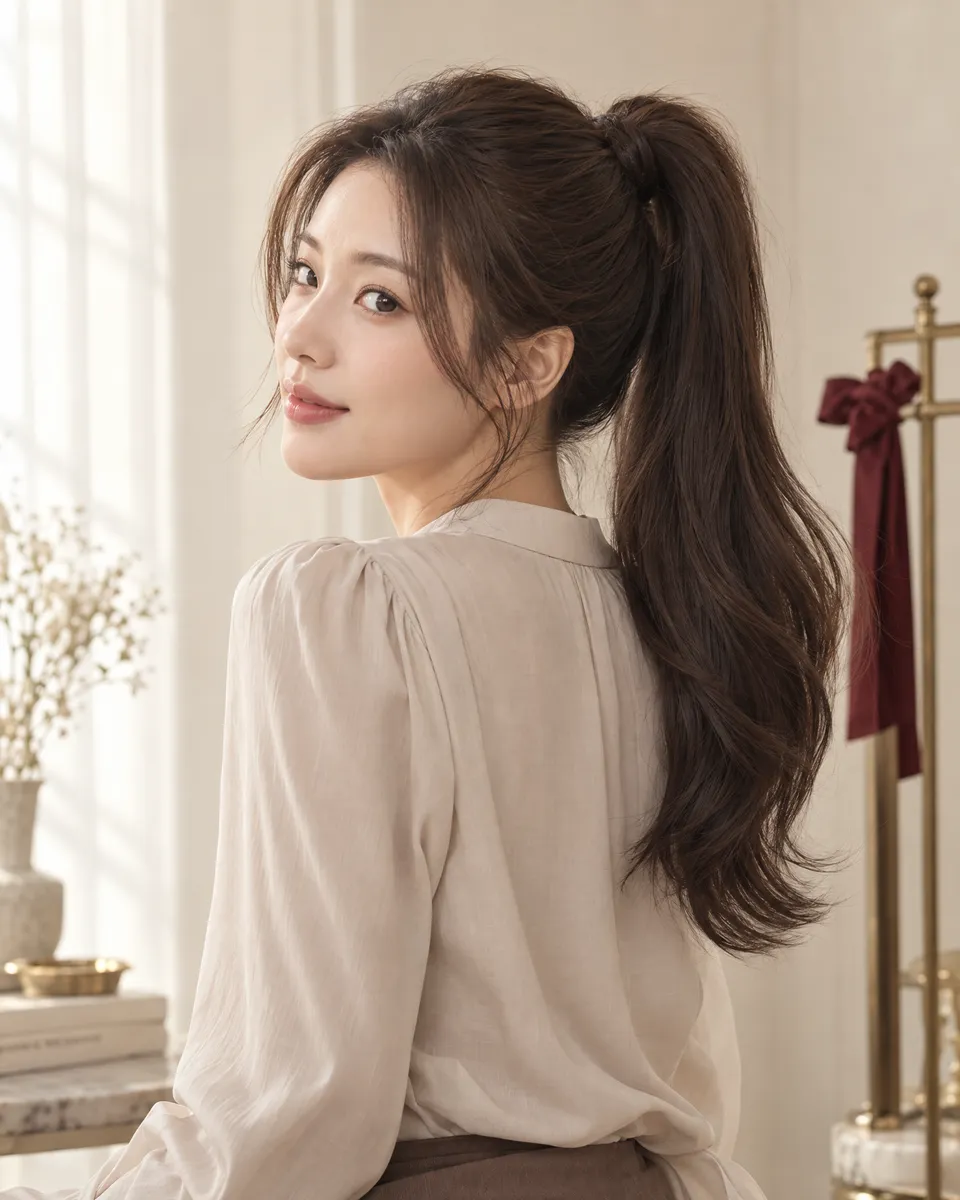
Questions to Ask Before Choosing a Removable Ponytail
A short, specific check can prevent a mismatch between the style you imagine and the piece described. Before deciding, look for answers to these three points: what attachment it uses and how to fit it; what fibre, colour and texture the listing actually specifies; and what care or styling instructions apply. If any detail is missing, ask about the named item rather than relying on a general category description.

| Description | What to look for | Best comparison question | Detail to verify |
|---|---|---|---|
| Clip-on / clip-in | A clip or comb-like fastener and its stated position | Where does the clip sit, and how should my own hair be secured first? | Closure, fitting steps and the amount of natural hair needed to anchor it |
| Wrap-around | A section that passes around the base of your tied ponytail | Does the wrap section cover the base, and how is its end held in place? | Whether the item includes a wrap section and how it is secured |
| Drawstring | A drawstring-style fastening described for the item | What is tightened, and what are the maker's fitting and removal steps? | The actual fastening construction and its care instructions |
Ask about styles and availability
Tell us the style you have in mind. We can discuss the options, quotation and arrangements before you decide.
Ask about styles and availabilityBefore you choose
How does a clip-in ponytail extension attach to natural hair?
Attachment depends on the design. A listing may describe a clip, wrap-around section or drawstring; check the individual item's method and fitting instructions. Follow its directions rather than assuming one approach suits every ponytail.
What is the difference between clip-on, wrap-around and drawstring ponytails?
A clip-on uses a clip, a wrap-around design has a section intended to cover the ponytail base, and a drawstring design uses the stated drawstring fastening. Compare the actual closure and fitting steps for the item.
Should I choose a synthetic or human hair ponytail extension?
Check the material stated for the item, then compare its finish and care instructions with what you want. Do not assume a style is heat-safe or available unless its listing says so.
Will a ponytail hairpiece match my hair colour and texture?
A match is not guaranteed. Compare the stated shade and texture with your own hair in natural light where possible; treat screen images as guides, and ask about the exact style before deciding.
Further reading
- American Cancer Society — Wigs for Hair LossSupports the general colour-selection practice of comparing in natural light and using one's own hair as a reference; applied here only as a comparison tip, not as a product recommendation or match guarantee.
Still weighing up your options?
Follow a related guide to make your next decision with clearer information.
Compare clip-in hair extensions by hair type, set format and temporary styling needs. Ask OWNSTRAND Wigs about suitable options in Hong Kong.
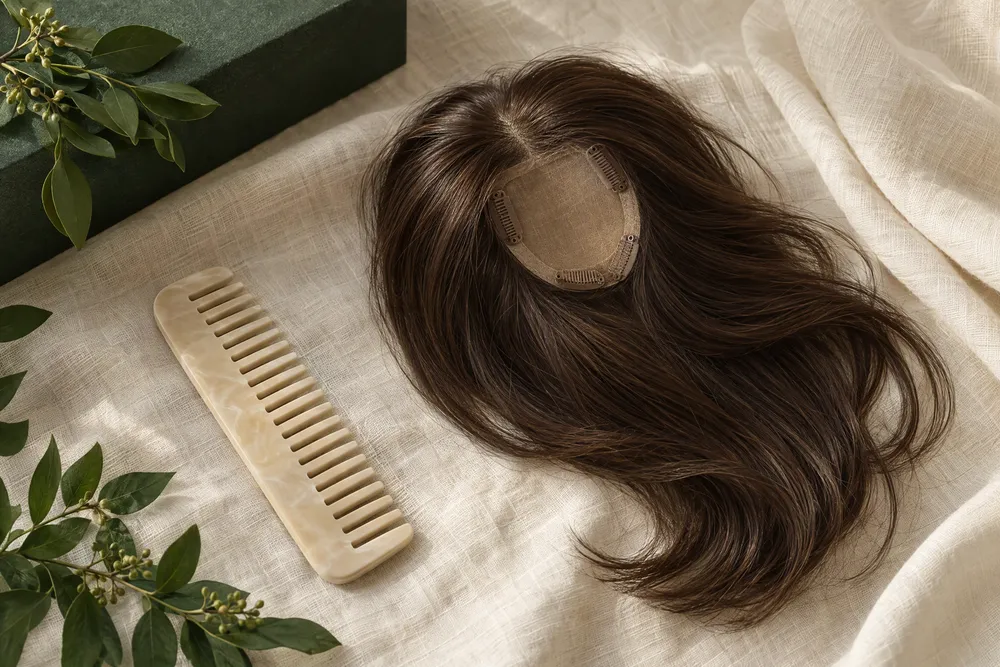
Explore the clip-in hair topper category and check each item's listed attachment method before choosing. Ask OWNSTRAND about product details and availability.
Explore a synthetic hair topper, compare fibre-care questions with human hair, and ask OWNSTRAND Wigs about styles and availability in Hong Kong.
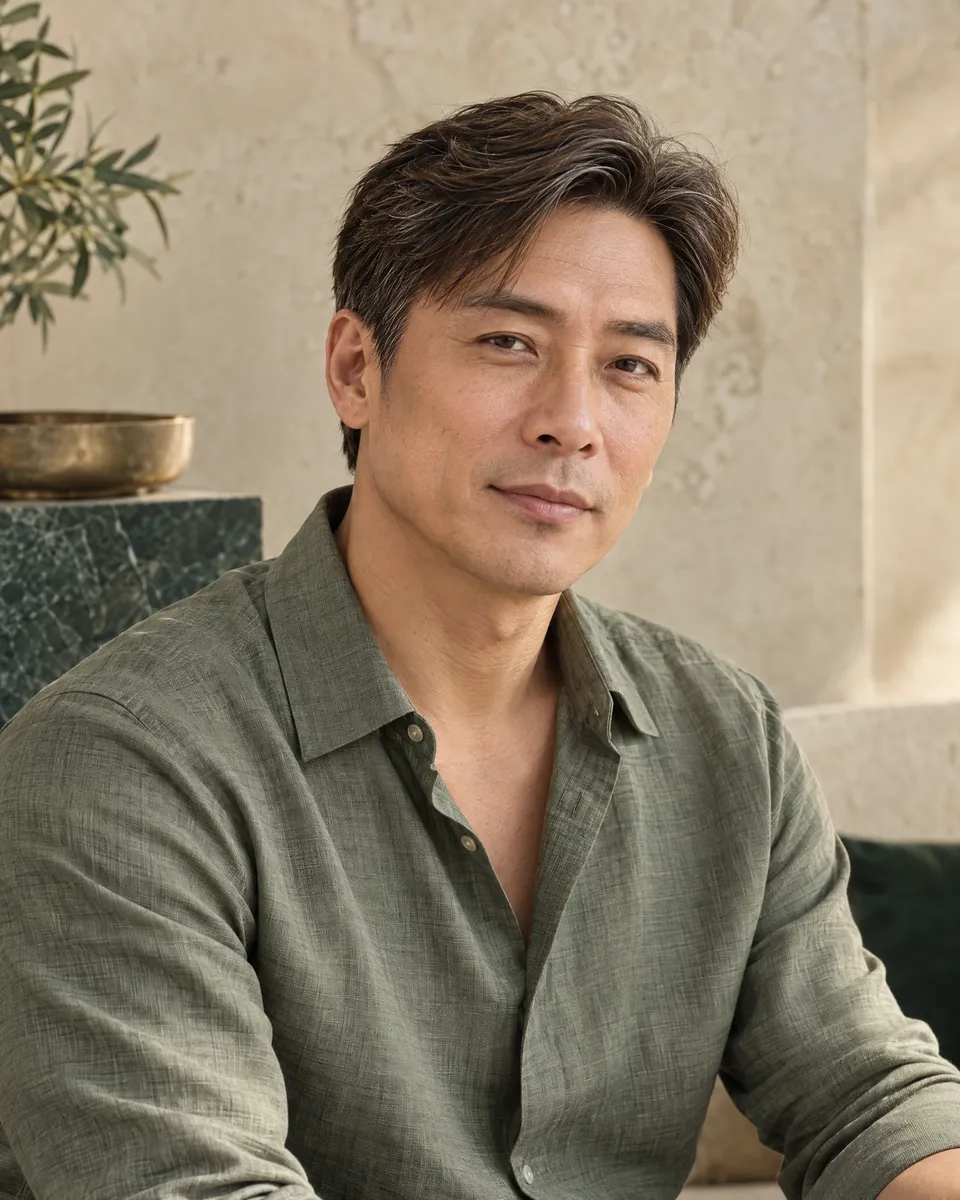
Explore human hair wigs for men and compare full wigs with toupees and hair systems. Check product-specific materials and availability with OWNSTRAND in Hong Kong.